
Best Dinghy Ireland: A Beginner’s Guide to Choosing Your First Boat
Choosing the Right Sailing Dinghy for Irish Waters
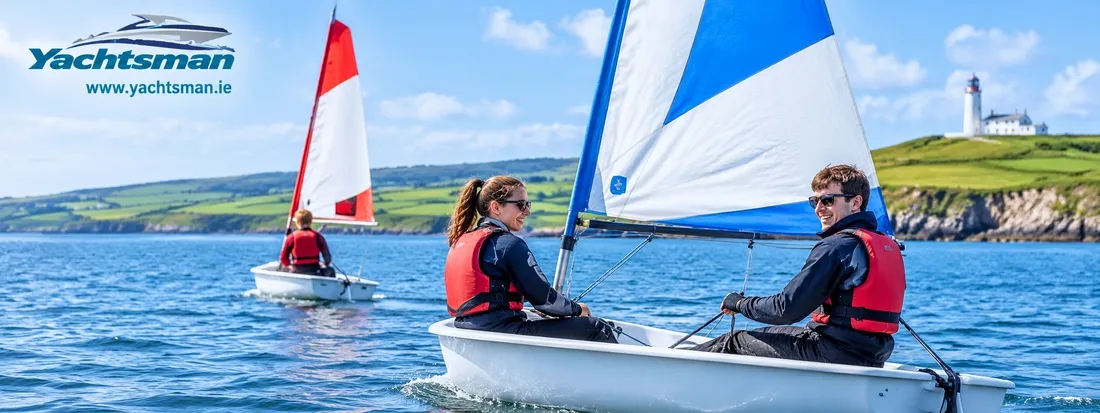
Dinghy sailing is one of the most accessible ways to enjoy Ireland’s coast, lakes and inland waterways. A dinghy is small enough to launch from a slipway or beach, responsive enough to teach proper sailing skills, and versatile enough for everything from relaxed afternoon sailing to competitive racing. For anyone searching for the best dinghy Ireland has to offer, the right choice depends on more than the boat itself. Age, experience, sailing location, storage, budget and long-term goals all matter.
Ireland’s sailing environment is ideal for learning. Beginners can practise on sheltered lakes, estuaries and harbours before progressing to more exposed coastal waters. Sailing clubs around the country also provide training, boat-handling sessions and opportunities to sail with people of different experience levels. Before buying, it is often useful to try several boats through a club or introductory course.
Why Dinghy Sailing Is Popular in Ireland
Dinghy sailing offers a direct connection with the water. Unlike larger yachts, small sailing boats respond quickly to changes in wind direction, sail trim and body weight. This makes every outing practical and engaging. Beginners learn how wind affects the sails, how to steer efficiently and how to balance the boat.
The activity also suits Ireland’s varied geography. A stable training dinghy may be ideal on a lake such as Lough Ree or Lough Derg, while a more seaworthy boat can be used in sheltered coastal areas around Cork Harbour, Galway Bay or the Shannon Estuary. Sailing clubs provide a social setting, and many offer junior, adult and family programmes.
For families, dinghy sailing can be an affordable way to introduce children to boating. For adults, it provides a manageable route into sailing without the cost or complexity of a larger yacht. This combination of accessibility, exercise and outdoor adventure explains the popularity of small boat sailing Ireland wide.
Understanding the Main Dinghy Types in Ireland
The term dinghy types Ireland sailors use covers a wide range of boats. Each design has different strengths and limitations.
Single-handed dinghies are sailed by one person. They are usually simple to rig and offer excellent opportunities to develop independent boat-handling skills. However, they can feel demanding for a complete beginner because the sailor must steer, balance and control the sail at the same time.
Two-person dinghies are sailed by a helm and crew. They are useful for learning teamwork and often provide more flexibility for families or friends. The crew may help with sail control, balance and manoeuvres. Some designs are stable and forgiving, while performance-oriented boats can be lively and more difficult to handle.
Training dinghies are generally stable, durable and easy to rig. Their purpose is to help new sailors build confidence. They may not be the fastest boats, but predictable handling is often more valuable than speed during the early stages.
Racing dinghies are designed for responsiveness and performance. They can be rewarding for experienced sailors but may be less comfortable for beginners. A lightweight hull, powerful sail plan or narrow design can make a boat more sensitive to gusts and body movement.
Keelboats and day boats are larger than most beach-launched dinghies. They offer greater stability and may be suitable for coastal day sailing, but they usually require more storage space, maintenance and launching equipment.
Popular Dinghy Classes for Beginners
The Optimist is a small single-handed dinghy widely associated with junior sailing. Its compact size makes it suitable for children, and its straightforward sail plan helps young sailors learn steering, tacking and basic boat balance. It is not normally appropriate for most adults because of its limited cockpit space and weight capacity.
The Topper is another popular single-handed option, particularly for junior and youth sailors. It is relatively simple to rig and can be used for training or racing. Its light weight is convenient for launching and transport, although lighter sailors may need to learn how to manage the boat carefully in stronger wind.
The ILCA, often still referred to as a Laser, is a single-handed performance dinghy available with different sail sizes. It is popular with sailors who want to progress into racing and refine their technique. It is responsive and rewarding, but beginners may find it less stable than a wide training boat.
The RS Feva is a two-person dinghy often chosen for youth crews and developing sailors. It provides an introduction to teamwork, trapezing and spinnaker sailing, depending on the configuration and training level. Because it offers more controls and performance potential, beginners should learn progressively rather than attempting advanced techniques immediately.
The Wayfarer is a larger, stable two-person dinghy with a strong reputation as a practical cruising and training boat. It can carry more equipment and may be suitable for family sailing, day trips and sheltered coastal waters. Its greater size brings advantages in comfort and stability, but it also means more effort when towing, launching and storing.
What Is the Best Dinghy for a Beginner?
There is no single best dinghy Ireland choice for every sailor. A young beginner may be best suited to an Optimist or Topper, while an adult wanting a stable boat for relaxed sailing might prefer a Wayfarer or another roomy two-person design. Someone interested in racing may eventually choose an ILCA or RS Feva after gaining experience through a club.
Stability is important when confidence is still developing. A wider hull and moderate sail area can make capsize recovery less frequent, although no dinghy is completely impossible to capsize. A responsive boat may teach faster sailing skills, but it can also punish mistakes more quickly.
Consider your sailing goals. If you want to sail alone, look at a manageable single-handed dinghy. If you plan to sail with a child, partner or friend, choose a two-person boat with enough cockpit space and a suitable weight capacity. If you hope to race, check which classes are active at nearby clubs.
Practical Buying Considerations
Boat size affects transport, launching and storage. A small dinghy may fit on a roof rack or lightweight trailer, while a larger design may require a proper road trailer and additional assistance at the slipway. Check whether you have secure storage at home or access to club storage.
Maintenance should also influence your decision. Inspect the hull for cracks, repairs, soft areas and signs of water damage. Examine the mast, boom, rudder, centreboard, control lines and sails. Older sails may be usable for training but expensive to replace if they are badly stretched or torn.
When buying second-hand, ask how the boat has been stored and whether it has been regularly exposed to salt water. Check that the launching trolley and trailer, if included, are roadworthy and appropriate for the boat. It is sensible to have an experienced sailor inspect an unfamiliar dinghy before completing a purchase.
A new boat offers predictable condition and modern equipment, but a used boat can provide better value for a beginner. The cheapest purchase is not always the least expensive option if it requires a new sail, spars, trolley or major repairs.
Sailing Conditions and Safety in Ireland
Irish weather can change quickly, particularly on exposed coastal waters. Beginners should start in light to moderate conditions with good visibility and easy access to shore. Always check the marine forecast, wind strength, gusts, tide and local hazards before launching.
Essential equipment may include a correctly fitted buoyancy aid or lifejacket, suitable clothing, a whistle, footwear with good grip and protection from cold water. A paddle can be useful if the wind drops, while a basic repair kit, bailer and means of securing the boat are also practical.
Learning to tack, gybe, stop the boat, recover from a capsize and return safely to shore should come before attempting longer trips. Never sail alone until you are confident in your ability and understand the local conditions. Club training is particularly valuable because instructors can explain launching areas, tidal flow, navigation hazards and local sailing etiquette.
Insurance and Responsible Ownership
Insurance requirements can vary according to the boat, storage arrangement, sailing area, club rules and whether the dinghy is kept on private or shared premises. Some clubs, marinas, events or storage providers may require evidence of specific cover. Even where insurance is not explicitly required, owners should consider protection for accidental damage, theft and third-party liability.
Read the policy carefully and check whether it covers road transport, launching, racing, coastal use and periods when the boat is stored ashore. Do not assume that household insurance automatically covers a sailing dinghy. Asking an insurer or sailing club for current guidance is the safest approach.
Frequently Asked Questions
What is the best dinghy for beginners in Ireland?
The best choice depends on the sailor’s age, size, experience and sailing goals. A stable two-person dinghy may suit an adult learner, while an Optimist or Topper may be more appropriate for a child. Trying boats through a sailing club is an excellent way to compare them.
Which type of sailing dinghy is easiest to handle?
A stable training dinghy with a moderate sail area is usually easiest for a sailing dinghy beginner. Wider boats tend to feel more forgiving, while lightweight racing dinghies require quicker reactions and better balance.
How much does a sailing dinghy cost in Ireland?
Prices vary considerably depending on the class, age, condition, sails, trailer and included equipment. A second-hand dinghy may cost much less than a new one, but buyers should budget for repairs, storage, transport and replacement parts.
Can you sail a dinghy in Irish lakes and coastal waters?
Yes, many dinghies are suitable for Irish lakes, estuaries and sheltered coastal areas. However, suitability depends on the boat design, weather, tide, local rules and the sailor’s experience. Always choose conditions appropriate for your ability.
Do you need insurance for a sailing dinghy in Ireland?
There is no single answer for every situation. Requirements may depend on the sailing club, storage provider, event or location. Check the relevant terms and consider third-party liability and damage cover even when insurance is not specifically requested.
You may also like to Read