
2026 Safety & Equipment Mandates
Is Boat Insurance a Legal Requirement?
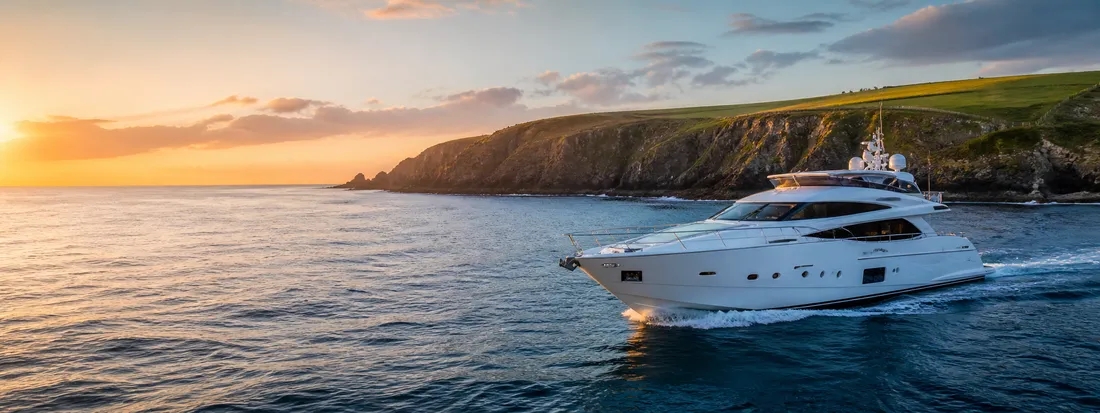
Whether you are navigating the serene waters of the Shannon-Erne Waterway or exploring the rugged Wild Atlantic Way, owning a vessel in Ireland is a dream for many. However, before you cast off, understanding the landscape of boat insurance is critical. While the sea offers freedom, it also presents risks—from unpredictable weather to accidental collisions.
In this comprehensive guide, we break down the legal requirements, the actual costs you can expect in 2026, and the essential coverage options every Irish boater needs to know.
1. Is Boat Insurance a Legal Requirement in Ireland?
A common question among new owners is whether boat insurance ireland is mandatory by law. Technically, for private pleasure craft on open sea waters, there is no nationwide statutory requirement to hold insurance. However, this is a "technicality" that rarely applies in the real world.
When Insurance Becomes Mandatory:
- Waterways Ireland Requirements: If you plan to use Irish inland waterways (canals and certain lakes), you are often required to provide proof of at least third-party liability insurance to obtain permits.
- Marinas and Harbours: Almost all commercial marinas and local authority harbours in Ireland require a minimum of €3,000,000 to €5,000,000 in third-party liability cover before they allow you to berth.
- Marine Finance: If you have a loan on your vessel, the lender will legally require comprehensive insurance to protect their collateral.
2.Estimated Annual Premiums for 2026
The cost of boat insurance ireland varies significantly based on the type of vessel and how it is used. For 2026, the market has seen the following estimated pricing trends:
- Dinghies and Small Day Boats: These typically remain the most affordable to insure, with annual premiums ranging from €150 to €300.
- Motor Cruisers (Inland): For those navigating the Shannon or Erne systems, premiums generally fall between €350 and €750, depending on the size and age of the cruiser.
- Sailing Yachts (Coastal): Due to the increased risks of coastal navigation and higher repair costs for masts and rigging, owners can expect to pay anywhere from €450 to over €1,200.
- RIBs and Powerboats: These vessels often carry higher premiums due to their speed and engine horsepower. Most owners will see quotes between €400 and €900, with high-performance models reaching the upper end of that scale.
3. Key Coverage Types: What Do You Need?
When shopping for boat insurance ireland, you will generally choose between two levels of protection:
Third-Party Liability (The Minimum)
This is the most popular choice for budget-conscious sailors. It doesn’t cover damage to your boat, but it protects you if you cause damage to another vessel, maritime infrastructure, or—most importantly—injury to another person. In 2026, the standard liability limit recommended for Irish waters is €5 million.
Comprehensive (All Risks)
This covers your own vessel against:
- Accidental Damage: Sinking, stranding, or collisions.
- Theft: Protection for the boat, outboard motor, and trailers (often requires specific hitch locks).
- Weather Events: Damage from storms or lightning—a major factor in Irish maritime safety.
- Transit Cover: If you move your boat by road, ensure your policy covers "In-Transit" risks.
4. Specific Requirements for Irish Waterways
If you are a "Lough Derg regular" or a canal cruiser, the requirements are specific. Waterways Ireland manages the main navigation systems, and they emphasize safety.
- Safety Equipment: Regardless of insurance, you must have CE-marked lifejackets for everyone on board.
- Survey Requirements: For older vessels (typically over 20 years old), Irish insurers will often request a Condition Survey from a qualified marine surveyor before granting comprehensive cover.
5. How to Rank Your Boat Insurance for Fast Approval
To ensure your application for boat insurance ireland goes smoothly and you get the best rates:
- Get a Valuation: Ensure you have an up-to-date market valuation; over-insuring leads to wasted premiums, while under-insuring can lead to "averaging" during a claim.
- Winter Storage: Be clear about where the boat stays between November and March. Many Irish policies have "Winter Warranties" requiring the boat to be ashore during storm season.
- Inventory List: Keep a record of expensive electronics and fishing gear, as these often need to be listed separately to be covered for theft.
Final Thoughts
While the law may be flexible, the reality of the Irish coastline is not. Investing in quality boat insurance ireland is not just about ticking a box for a marina; it’s about protecting your financial investment and ensuring that a single accident doesn't end your time on the water.
You may also like to Read