
The "Big Three" of Standard Coverage
What Is Typically Not Covered?
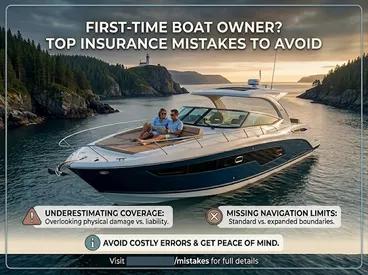
Entering the world of marine leisure is an exciting venture, but the fine print of a policy can often feel like navigating through a thick fog. Many owners assume that once they have boat insurance ireland, every possible mishap is covered. In reality, marine insurance is highly specialized and operates differently than your standard car or home insurance.
To protect your investment and your liability, you need to understand the "Inclusions" (what you are paying for) and the "Exclusions" (the scenarios where you are on your own).
1. The Core Inclusions: What Your Policy Covers
Most boat insurance ireland policies are structured as "All Risks" or "Comprehensive," but "All Risks" doesn't literally mean every single event. Typically, you are covered for:
Accidental Damage & Collisions
This is the "bread and butter" of marine cover. If you collide with another vessel, a submerged object, or a pier, your insurance will cover the repairs to your hull and machinery.
Fire, Lightning, and Explosion
Given the presence of fuel, gas, and electrical systems in confined spaces, fire is a significant risk on boats. Standard policies cover damage resulting from internal malfunctions (like a short circuit) or external events (like a lightning strike).
Theft and Vandalism
Theft coverage usually applies to the vessel itself, the outboard motor, and fixed equipment (like GPS and VHF radios). In 2026, most Irish insurers require specific anti-theft devices, such as hitch locks for trailered boats or outboard motor locks, to validate this cover.
Third-Party Liability
In Ireland, this is arguably the most important part of your policy. If you cause injury to a swimmer, damage a high-end yacht in a marina, or cause environmental pollution (such as a fuel leak), your liability cover handles the legal costs and compensation. In 2026, a €5,000,000 limit has become the standard requirement for most Irish marinas.
2. The Hidden Exclusions: What Is Not Covered?
Understanding what is not covered is essential to avoid a rejected claim. Most boat insurance ireland policies will exclude the following:
Wear and Tear (The "Maintenance" Clause)
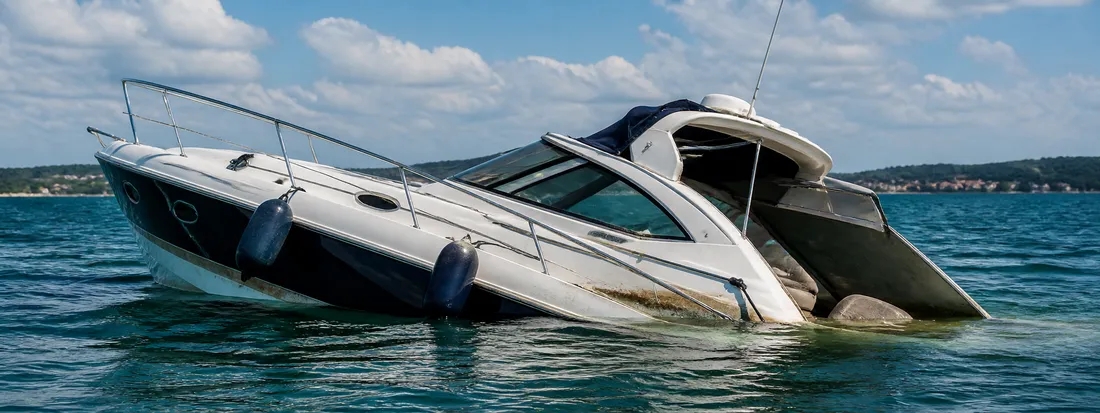
Insurance is designed for "sudden and accidental" events, not the inevitable aging of a boat. Corrosion, rot, rust, and osmosis (hull blistering) are considered maintenance issues. If your boat sinks because you failed to replace a perishing seal or a rusty sea-cock, the insurer may deny the claim.
Mechanical Breakdown
While damage caused by a fire or collision is covered, the simple failure of your engine due to a broken belt or overheating is generally not. You can sometimes add "Machinery Breakdown" as an optional extra, but it is not standard.
Unseaworthiness
If you take a boat out into the Atlantic that is clearly not fit for purpose—perhaps it has a known leak or lacks essential safety gear—the insurer can argue that you breached the "Warranty of Seaworthiness."
Alcohol and Negligence
Just like on the road, if an accident occurs while the person in charge is under the influence of alcohol or drugs, the policy is effectively void. Similarly, leaving your boat unattended and afloat in a high-risk area (outside of a protected marina) during a named storm may be considered "gross negligence."
3. Specialized Cover: The 2026 "Add-Ons"
As technology and hobbies evolve, Irish boaters often need more than just a base policy. Consider these specific areas:
- Personal Belongings: Expensive fishing gear, specialized diving equipment, and high-end waterproof tech are often excluded from standard hull cover. You may need an "all-risks" extension for these items.
- Watersports Liability: If you use your boat for towing water skiers, wakeboarders, or "donuts," you must ensure your boat insurance ireland policy specifically mentions "Watersports Liability." Without this, injury claims from those being towed are excluded.
- Transit Cover: If you move your boat between the east and west coasts of Ireland via road, verify that your insurance covers the boat while it is on its trailer.
4. The "Winter Warranty" Warning
A unique feature of boat insurance ireland is the Winter Warranty. Many policies require that between November 1st and March 31st, the vessel must be kept "laid up" (out of the water) or moored in a specific, high-security marina. If your boat is damaged by a winter storm while sitting on a summer mooring, you could find yourself without any cover at all.
Final Verdict
Boat insurance ireland is a partnership between you and the insurer. They cover the "unforeseeable," while you handle the "foreseeable" (maintenance and safety). Before you sign, always ask for a Summary of Cover and specifically look for the "Cruising Limits" to ensure you are covered for the exact areas where you plan to sail.
By understanding these boundaries, you can enjoy the Irish waters with the peace of mind that comes from knowing exactly where your protection starts—and where it ends.
You may also like to Read