
Boat Insurance Ireland: The Complete 2026 Guide
Everything boat owners need to know about choosing the right cover this year
Why Boat Insurance Ireland Looks Different in 2026
Owning a boat in Ireland, whether it's a small dinghy on a lake or a cruiser moored along the coast, comes with responsibilities that go well beyond mooring fees and maintenance. Boat insurance ireland 2026 has become more relevant than ever as more people take up boating, marinas get busier, and weather patterns grow less predictable. Owners who once treated cover as optional are increasingly seeing it as essential, not just for their own protection but for everyone sharing the water around them.
This guide walks through what boat insurance ireland 2026 typically covers, how to compare policies properly, and what owners should watch out for before signing up.
What Does Boat Insurance Ireland Actually Cover?
Not all policies are structured the same way, but most boat insurance ireland 2026 packages are built around a few core elements:
- Hull and machinery cover – protection against physical damage to the boat itself, including engine and equipment
- Third-party liability – cover for injury or damage caused to others while using your boat
- Theft and vandalism cover – protection against loss from theft, whether on the water or in storage
- Personal accident cover – support if you or your passengers are injured while on board
- Towing and salvage cover – assistance if your boat breaks down or needs recovery
Understanding exactly what's included, and what's excluded, is the first step to avoiding unpleasant surprises later.
Building an Ireland Marine Insurance Guide Around Your Boat Type
No single policy fits every vessel, which is why an ireland marine insurance guide should always start with the type of boat being insured. A small sailing dinghy used occasionally on a lake has a very different risk profile from a motor cruiser kept in a coastal marina year-round. Insurers typically assess:
- Vessel type, age, and value
- Where the boat is stored or moored
- How often and where it's used
- The owner's boating experience and any relevant qualifications
- Claims history, if any
Owners who provide accurate, detailed information upfront tend to get quotes that reflect their actual risk, rather than a generic estimate that may under- or over-price their cover.
Boat Cover Ireland: Comprehensive vs Third-Party Only
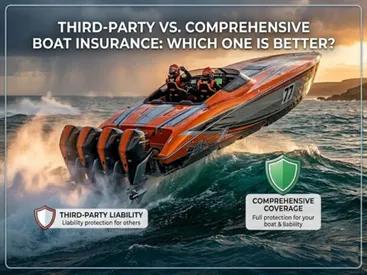
One of the biggest decisions owners face is choosing between comprehensive boat cover ireland and a more basic third-party-only policy. Comprehensive cover protects your own vessel as well as liability toward others, while third-party-only cover is limited to damage or injury you cause to other people or their property.
For older or lower-value boats, some owners opt for third-party-only cover to keep premiums down. However, this leaves the boat itself completely unprotected, which can be a costly gap if repairs or replacement become necessary after an accident, storm, or theft.
Running a Vessel Insurance Comparison the Right Way
A proper vessel insurance comparison goes beyond simply looking at price. Owners should compare:
- Coverage limits – ensure liability and hull cover limits are adequate for your boat's value and usage.
- Excess amounts – lower premiums often come with higher excess, which affects what you pay out of pocket after a claim.
- Geographic limits – some policies restrict cover to specific waters or coastal areas.
- Seasonal storage terms – winter layup cover can differ significantly between insurers.
- Additional equipment cover – electronics, sails, and safety gear may need to be specifically listed.
Running a thorough vessel insurance comparison before renewal, rather than defaulting to the cheapest headline price, usually results in better long-term value.
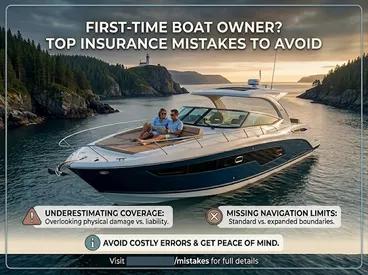
Common Mistakes Owners Make With Boat Insurance Ireland
Even experienced boat owners fall into a few recurring traps when arranging boat insurance ireland 2026:
- Underestimating the boat's replacement value, leading to being underinsured
- Failing to declare modifications or upgraded equipment
- Assuming towing or salvage costs are automatically included
- Not updating cover after moving to a new mooring or storage location
- Letting policies auto-renew without reviewing changing needs
Avoiding these mistakes usually comes down to reviewing your policy properly each year rather than treating it as a one-time decision.
How to Choose the Right Policy in 2026
Choosing the right boat insurance ireland 2026 policy starts with an honest assessment of how the boat is used. Owners should ask themselves how often they're on the water, whether they lend the boat to others, and what level of financial risk they're comfortable carrying themselves through excess payments. From there, comparing multiple providers using the same criteria — rather than judging policies on price alone — gives a clearer picture of genuine value.
Boats represent a significant investment for most owners, and the right insurance simply protects that investment against the unpredictability that comes with being on the water.
FAQs
1. What is boat insurance ireland 2026 and is it legally required?
Boat insurance ireland 2026 refers to cover protecting vessels, owners, and third parties from damage, injury, or loss; requirements can vary depending on where and how the boat is used, so it's worth checking current rules for your specific situation.
2. What's the difference between comprehensive and third-party boat cover ireland?
Comprehensive cover protects your own boat as well as liability to others, while third-party-only cover protects against damage or injury you cause but not your own vessel.
3. How do I run an accurate vessel insurance comparison?
Compare coverage limits, excess amounts, geographic restrictions, and equipment cover across providers, rather than focusing on premium price alone.
4. Does boat insurance ireland cover storage during winter months?
Many policies include seasonal storage cover, but terms vary by insurer, so it's important to confirm this before layup season begins.
5. How often should I review my boat insurance policy?
Ideally every year, especially after any change in usage, mooring location, or equipment, to make sure your cover still reflects your actual risk.
You may also like to Read