
Workboat Insurance Ireland: Cover for Commercial Marine Operations
Why Workboat Insurance Ireland Matters for Commercial Operators
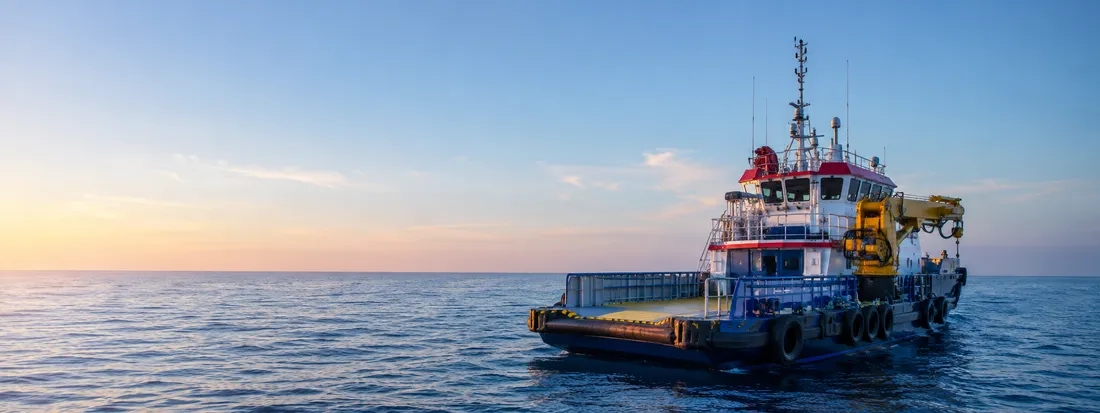
Ireland's coastline supports a wide range of commercial marine activity, from harbour towage and dredging to aquaculture support and offshore energy servicing. Every one of these operations depends on vessels that work hard, day after day, in demanding conditions. That is exactly why workboat insurance Ireland operators rely on needs to be built around real operational risk rather than a generic marine template. A well-structured commercial workboat policy protects the vessel, the crew, the cargo, and the business behind the operation, and it does so in a way that reflects how these vessels are actually used at sea.
Why Workboat Insurance Ireland Matters for Commercial Operators
Workboats are not leisure craft, and they should never be insured as if they were. They tow, lift, dive-support, survey, and service other vessels or structures, often in tidal estuaries, exposed harbours, and open water. Standard hull cover rarely accounts for this level of activity. Workboat insurance Ireland policies are designed specifically for vessels engaged in commercial marine work, covering the added exposure that comes with towing lines, deck cargo, mechanical lifting gear, and frequent close-quarters manoeuvring near other vessels or fixed structures.
For any operator running a fleet or even a single vessel commercially, the right cover is not optional. Charterers, port authorities, and clients increasingly require proof of adequate marine insurance before work can even begin. Without a proper commercial workboat policy in place, an operator can find themselves excluded from tenders, contracts, or harbour access altogether.
What a Commercial Workboat Policy Should Include
A genuine commercial workboat policy goes well beyond basic hull and machinery cover. Operators should expect their policy to address:
- Hull and machinery damage arising from collision, grounding, heavy weather, or mechanical failure
- Protection and indemnity (P&I) cover for third-party liability, including injury to crew or damage to other property
- Towage and salvage liability, particularly important for vessels regularly engaged in towing operations
- Cargo and equipment cover for deck cargo, tools, and specialist gear carried aboard
- Pollution liability, which is increasingly scrutinised by harbour authorities and regulators
- Crew cover, including personal injury and medical expenses for those working aboard
Because every workboat operation is different, a commercial workboat policy should be tailored rather than bought off the shelf. A vessel used for aquaculture servicing has a very different risk profile to one used for offshore wind support or harbour maintenance, and the policy wording needs to reflect that difference clearly.
Marine Work Vessel Cover: Matching Policy to Purpose
Marine work vessel cover only works when it is matched precisely to how the vessel is deployed. Insurers will typically want details on the vessel's trading area, the nature of the work undertaken, the qualifications of the crew, and any lifting or diving equipment carried on board. This information shapes the policy terms and, crucially, ensures that a claim is not disputed later because the vessel was operating outside the scope originally declared.
Operators should also review their marine work vessel cover annually, especially if the vessel takes on new types of contracts. A workboat that shifts from routine harbour duties to supporting offshore installation work, for example, carries a materially different risk exposure. Updating cover proactively avoids gaps that only become obvious after an incident has already occurred.
Offshore Workboat Ireland Cover: Additional Considerations
Offshore workboat Ireland operations bring an extra layer of complexity. Vessels supporting offshore wind farms, subsea cable works, or oil and gas infrastructure typically operate further from shore, in rougher conditions, and often alongside specialist contractors and heavy machinery. Offshore workboat Ireland cover needs to account for:
- Extended trading limits beyond coastal waters
- Third-party liability linked to offshore installations or platforms
- Business interruption if the vessel is taken out of service following an incident
- Compliance with charterer-specific insurance requirements, which are often stricter than standard commercial terms
As Ireland's offshore energy sector continues to expand, demand for properly insured offshore workboat Ireland vessels is likely to grow. Operators who secure comprehensive cover early are better positioned to win offshore contracts, since many charterers will not engage a vessel that cannot demonstrate suitable insurance in place.
Choosing the Right Cover for Your Operation
Selecting workboat insurance Ireland businesses can depend on comes down to understanding the vessel's actual working life. A commercial workboat policy should be reviewed against the vessel's trading pattern, crew arrangements, and contractual obligations, not just its size or age. Marine work vessel cover needs to reflect real operational duties, while offshore workboat Ireland exposure requires its own set of considerations around distance from shore and third-party liability.
Getting this right protects more than the vessel itself. It protects contracts, crew, and the long-term viability of the business behind the operation. For any operator running commercial marine work in Irish waters, investing time in getting the policy details right is one of the most important decisions they will make.
Final Thoughts
Commercial marine operations in Ireland rely on vessels that work under pressure, in variable conditions, and often far from immediate support. Workboat insurance Ireland cover, structured through a proper commercial workboat policy, tailored marine work vessel cover, and specific offshore workboat Ireland provisions where relevant, gives operators the protection needed to keep working with confidence. Reviewing cover regularly, being transparent with insurers about vessel use, and matching policy terms to actual operations are the practical steps that make the biggest difference when a claim arises.
You may also like to Read