
Cruising Yacht Insurance in Ireland: A Complete Beginner's Guide
Navigating the Essentials of Marine Coverage in Irish Waters
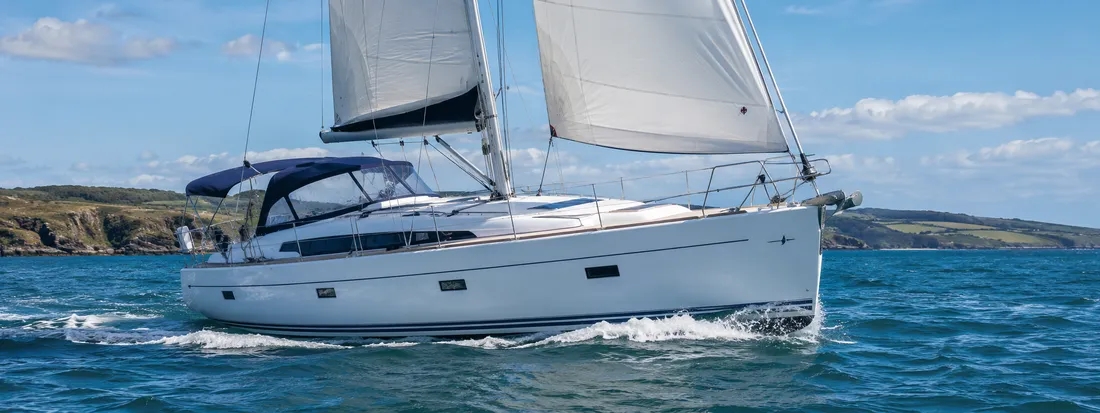
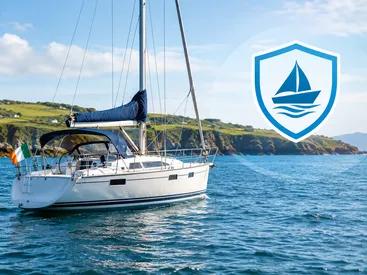
Stepping onto your own cruising yacht and setting sail along the stunning Irish coastline is a dream come true for many adventure seekers. From the dramatic cliffs of Donegal to the sheltered harbors of West Cork, Ireland offers some of the most spectacular sailing waters in the world. However, navigating open waters also comes with inherent risks. Whether you are a seasoned sailor buying your first vessel or completely new to the marine world, securing the right cruising yacht insurance in Ireland is an essential first step before you untie from the marina.
Understanding marine insurance can feel overwhelming at first. With unique maritime terminology and varying coverage options, many beginners struggle to know exactly what they need. This comprehensive guide breaks down everything you need to know about protecting your vessel, understanding your yacht policy ireland, and enjoying peace of mind on the water.
Why Do You Need Cruising Yacht Insurance in Ireland?
Unlike car insurance, marine insurance is not universally mandated by Irish law for private leisure craft. However, skipping out on coverage is a massive risk that no boat owner should take. In practice, you will find that having a robust yacht policy ireland is virtually mandatory for several practical reasons.
First and foremost, the vast majority of marinas, harbors, and local authorities across Ireland require proof of valid third-party liability insurance before they will allow you to secure a berth, use a mooring, or launch from their slipways. Furthermore, if you are financing your yacht purchase, your lender will invariably require comprehensive coverage to protect their financial investment. Beyond the paperwork, the unpredictable Irish weather and coastal Atlantic swells mean that accidents, collisions, and storm damage are real possibilities that require financial protection.
Types of Sailing Insurance Coverage Explained
When exploring options for sailing insurance, you will generally come across two main types of policies. Understanding the difference between them is crucial for choosing the right level of protection for your vessel and budget.
1. Third-Party Liability Insurance
This is the absolute minimum level of coverage you should obtain. Third-party liability insurance protects you if your yacht causes damage to another person’s property (such as colliding with another boat or damaging marina pontoon infrastructure) or causes bodily injury to another person. It does not cover the cost of repairing your own yacht, but it safeguards you against potentially catastrophic legal and financial claims.
2. Comprehensive Yacht Insurance
For most boat owners, comprehensive cruising yacht insurance in Ireland is the preferred choice. This all-inclusive option covers third-party liability while also protecting your own asset. A comprehensive policy typically safeguards your yacht against accidental damage, collisions, sinking, fire, theft, vandalism, and severe weather damage. It may also provide coverage for your personal effects onboard, specialized navigation equipment, and towing or salvage costs if you find yourself stranded at sea.
Key Features to Look For in Your First Yacht Policy
As you begin comparing options for your first yacht coverage beginners package, it is important to look beyond just the annual premium cost. You need to look closely at the policy wording to ensure it fits your specific sailing habits.
- Cruising Limits: Every policy defines a specific geographic area where you are permitted to sail. For a standard Irish policy, this usually covers Irish coastal waters, inland waterways, and often extends to the UK coast and parts of Brest. If you plan to cross the Celtic Sea or head further into the Mediterranean, you must notify your provider to extend your cruising limits.
- Lay up Periods: Some insurers offer discounts if you agree to keep your boat out of the water during the harsh winter months (typically from November to March). Ensure the specified lay-up dates align with your winter storage plans.
- Deductibles and Excess: This is the amount you agree to pay out of pocket before your insurance coverage kicks in. A higher excess can lower your premium, but make sure it is an amount you can comfortably afford in an emergency.
Helpful Tips for Beginners Navigating Marine Insurance
Securing your first marine policy doesn't have to be stressful. To get the best coverage and potentially lower your insurance costs, keep these essential yacht coverage beginners tips in mind:
- Invest in Sailing Qualifications: Completing certified courses with Irish Sailing (such as the Competent Crew or Day Skipper qualifications) demonstrates to underwriters that you take safety seriously, which can often lead to discounted premiums.
- Prioritize Boat Security: Insurers appreciate proactive risk management. Equipping your yacht with high-quality wheel locks, outboard motor locks, and choosing a secure, recognized marina for winter storage will work in your favor.
- Get an Up-to-Date Survey: If you are purchasing a second-hand yacht that is more than 15–20 years old, most insurance providers will require a professional marine survey before granting a comprehensive policy. This evaluation ensures the hull and core structures are seaworthy.
By taking the time to understand your options and securing a tailored policy, you can leave your worries at the dock and focus entirely on the incredible experience of cruising Ireland's beautiful waters.
You may also like to Read