
Sports Boat Insurance Ireland: What Every Owner Should Know
Essential Coverage and Compliance for High-Performance Craft
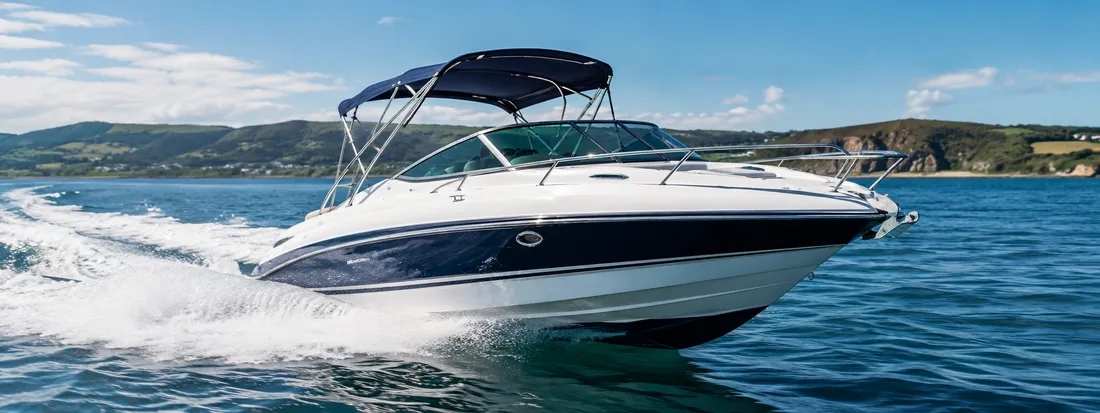
Ireland’s stunning coastlines, expansive lakes, and winding inland waterways offer the perfect playground for marine enthusiasts. Whether you are carving through the waves of Dublin Bay, exploring the rugged beauty of the Atlantic Coast, or cruising along the Shannon, owning a high-performance watercraft is an exhilarating experience. However, operating a high-speed vessel comes with unique responsibilities. Securing the right sports boat insurance Ireland policy is the single most important step you can take to protect your investment, your passengers, and yourself.
Navigating the nuances of marine insurance can be complex. From understanding specific powerboat cover ireland options to finding a policy that handles high-velocity transit, here is everything every owner needs to know before launching into Irish waters.
Why Specialist Sports Boat Insurance Ireland Cover is Essential
Many standard marine policies are designed for slow-moving displacement hulls or traditional sailing vessels. They often fail to account for the unique risks associated with high-performance watercraft. A dedicated sports boat insurance Ireland policy is specifically tailored to handle the high speeds, powerful engines, and specific towing risks associated with modern sports boats.
In Ireland, while third-party insurance isn't always legally mandated on every single public waterway, it is universally required by local authorities, harbor masters, and marina operators. If you plan to launch from a public slipway, secure a berth in a modern marina, or navigate managed inland waterways like Lough Derg, you will need to provide proof of valid third-party liability cover at the very least. Beyond basic compliance, comprehensive insurance gives you financial peace of mind against accidental damage, theft, vandalism, and personal injury.
Key Features of a Robust Sports Boat Policy
When evaluating a sports boat policy, you need to look beyond the premium price and focus on the scope of cover. High-performance boats require specialized clauses that protect the vessel both on the water and on land. A comprehensive policy should ideally include:
- Comprehensive Hull and Machinery Cover: This protects your boat, outboard engines, fixed equipment, and navigation gear against accidental damage, sinking, fire, storms, and marine perils.
- Third-Party Liability: This is the core of any policy, protecting you if your boat causes injury to another person or damages someone else's property or vessel.
- Transit and Trailer Cover: Many sports boats spend significant time on Irish roads being towed to different launch sites. Ensure your policy extends to road transit and includes specific cover for the trailer itself.
- Watersports Liability: If you use your boat for wakeboarding, water-skiing, or towing donuts and inflatables, you must ensure your policy explicitly includes watersports liability to cover participants.
Understanding Powerboat Cover Ireland Restrictions
When seeking powerboat cover ireland specialists look closely at the specifications of your craft. Because these boats are built for performance, insurers will evaluate the power-to-weight ratio, top speeds, and the layout of the hull.
It is important to note that many standard insurers place strict limits on maximum design speeds. If your vessel exceeds 17 knots (approx. 20 mph), it crosses into the high-performance category, requiring a specialist layout. Furthermore, your policy will outline specific cruising limits—such as coastal waters up to a certain number of nautical miles offshore, or specific inland lakes. Always ensure your planned boating geography aligns perfectly with the territorial limits stated in your insurance documents.
Crucial Factors that Impact Fast Boat Insurance Rates
Securing fast boat insurance requires an understanding of how underwriters assess risk. Because speed inherently increases the potential severity of an accident, insurers look at several key factors to determine your premium and policy conditions:
- Owner Experience and Qualifications: Having recognized qualifications, such as an Irish Sailing National Powerboat Certificate (Level 2) or higher, can significantly lower your risk profile and open up better rates.
- Engine Size and Speed Capabilities: Boats fitted with massive outboard engines or high-horsepower inboard jets inherently carry higher premiums due to the increased risk of high-speed accidents.
- Storage and Security: Where you keep your boat when it is out of the water matters. Storing your sports boat in a secure, monitored marina or a locked compound inside a wheel-locked trailer will favorably influence your premium compared to leaving it on an exposed driveway.
- Lay-up Periods: Many Irish boaters opt for a winter lay-up clause, which reduces cover (and cost) during the freezing winter months when the boat is safely winterized and stored ashore.
Safe Navigation and Maintaining Valid Cover
Simply holding a valid sports boat policy is not enough; you must also adhere to its terms to ensure a claim is never invalidated. Always maintain your vessel in a seaworthy condition, service your engines according to manufacturer guidelines, and never exceed the maximum passenger capacity rated for your hull.
Additionally, be aware of the "kill switch" or safety lanyard rule. For fast, open sports boats, wearing the emergency kill cord around your leg or wrist is not just a vital safety practice—failing to use it during an incident could severely jeopardize an insurance claim if an accident occurs.
Conclusion: Protect Your Passion on Irish Waters
Investing in a high-performance watercraft represents a significant financial and emotional commitment. By securing a tailored sports boat insurance Ireland plan, you ensure that an unforeseen accident, a sudden Atlantic squall, or a road transit mishap won't ruin your passion for the water. Take the time to review your speed ratings, verify your watersports extensions, and choose a specialist policy that lets you open the throttle with absolute peace of mind.
You may also like to Read