
Marina Property Insurance Ireland: Protecting Your Waterfront Business
Why Marina Property Insurance Ireland Is Different from Standard Commercial Cover
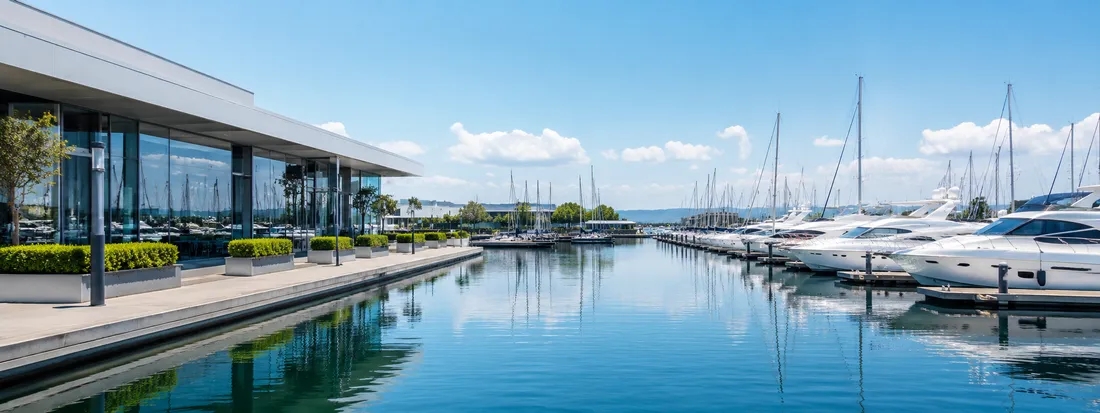
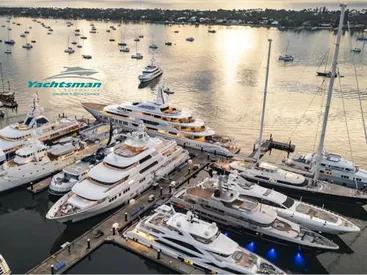
Running a marina in Ireland means managing far more than berths and boats. Piers, pontoons, fuel facilities, workshops, chandleries, and clubhouses all sit exposed to weather, tides, and constant public footfall. A single storm, fire, or accident can put an entire operation out of action for weeks. That is why marina property insurance Ireland operators choose needs to go beyond a standard commercial building policy. It has to reflect the unique blend of land-based assets and marine exposure that makes waterfront businesses so different from any other commercial property.
Why Marina Property Insurance Ireland Is Different from Standard Commercial Cover
Marinas sit at the intersection of property risk and marine risk, and that combination is precisely what makes marina property insurance Ireland such a specialist area. Pontoons and jetties are exposed to wave action, storm surge, and vessel impact. Fuel berths carry fire and pollution risk. Slipways and travel hoists involve heavy machinery working close to water. None of these exposures are properly addressed by a generic commercial property policy, which is why marinas need cover built specifically around their operating environment.
A proper marina property insurance Ireland policy accounts for the fact that assets are often partly submerged, tidal, or directly exposed to open water. It also recognises that a marina's income depends heavily on its physical infrastructure remaining usable. If pontoons are damaged and berths cannot be occupied, the business impact is immediate and ongoing, not just a one-off repair cost.
Core Elements of a Strong Marina Insurance Policy
Operators should expect their marina property insurance Ireland policy to include several core elements:
- Physical asset cover for pontoons, piers, jetties, slipways, breakwaters, and buildings
- Business interruption cover to protect income when berths or facilities are unusable
- Fuel and pollution liability, particularly important for marinas operating fuel berths
- Theft and vandalism cover for equipment, tools, and stored materials
- Storm and flood damage cover, given how exposed waterfront structures are to extreme weather
- Third-party liability for visitors, boat owners, and contractors using the site
Because every marina is laid out differently, with different mixes of moorings, dry storage, workshops, and public areas, marina property insurance Ireland should always be tailored to the specific site rather than bought as a one-size-fits-all package.
Marina Liability Cover: Managing Public and Contractual Risk
Marina liability cover is one of the most critical components of any marina insurance arrangement. Marinas are busy public spaces where boat owners, contractors, staff, and visitors move around slipways, pontoons, and car parks throughout the day. Slips, falls, vessel handling incidents, and accidents involving lifting equipment are all realistic risks that marina liability cover needs to address directly.
Marina liability cover also extends to contractual exposure. Many marinas hold berthing agreements, maintenance contracts, and lease arrangements that carry their own liability obligations. Without adequate marina liability cover in place, a single incident involving a third party could expose the business to significant legal and compensation costs, well beyond what a standard public liability policy would anticipate for a typical commercial premises.
Waterfront Business Insurance: Thinking Beyond the Marina Itself
Waterfront business insurance needs to consider the full range of activity that often surrounds a marina operation. Many sites include cafés, chandleries, boat sales areas, workshops, and event spaces, all of which carry their own risks alongside the core marina infrastructure. Waterfront business insurance should bring these elements together under a coordinated policy, rather than leaving operators to patch together separate covers that may not interact well in the event of a claim.
Seasonal trading patterns also matter. Many marinas see sharply different activity levels between summer and winter, and waterfront business insurance should reflect these fluctuations, particularly around business interruption cover and stock or equipment values held on site at different times of year.
Marina Asset Protection: Safeguarding Long-Term Value
Marina asset protection is about more than reacting to damage after it happens. It involves understanding the full replacement value of pontoons, fuel systems, lifting equipment, and buildings, and ensuring sums insured are kept realistic as construction and material costs rise. Under-insurance is a common and costly mistake among marina operators, often only discovered after a major claim when it is too late to correct.
Effective marina asset protection also includes risk management steps such as regular inspection of pontoons and mooring systems, maintenance of fire safety equipment near fuel berths, and clear procedures for winter storm preparation. Insurers increasingly favour marinas that can demonstrate active risk management, and this can have a direct impact on premium terms.
Choosing the Right Marina Insurance Partner
Selecting the right marina property insurance Ireland policy means working with cover that understands the specific mix of marine and property risk a marina faces. Marina liability cover, waterfront business insurance, and marina asset protection all need to work together as part of one coordinated policy rather than a set of disconnected covers.
Final Thoughts
Waterfront businesses face a genuinely unique set of risks, combining property exposure, marine conditions, and heavy public use in one location. Marina property insurance Ireland, built around solid marina liability cover, comprehensive waterfront business insurance, and a clear marina asset protection strategy, gives operators the protection needed to keep their business running through storms, seasonal changes, and everyday operational risk. Reviewing cover regularly and keeping asset values current are simple steps that make a significant difference when a claim eventually arises.
You may also like to Read