
Navigating Ireland's Shannon River: Motor Cruiser Safety Tips
Understanding the Shannon's Unique Navigation System
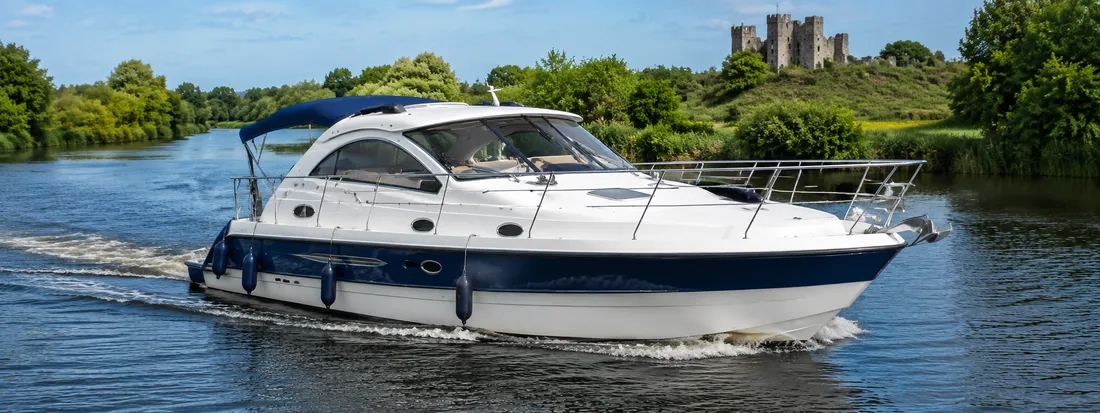
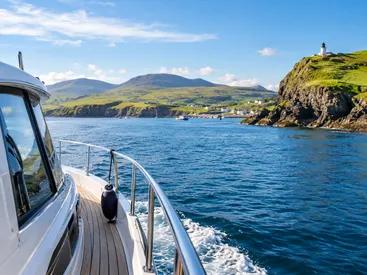
The majestic River Shannon is the crown jewel of inland waterways Ireland boasts, offering over 360 kilometers of navigable rivers, lakes, and canals. Captaining a motor cruiser Ireland style is one of the most rewarding ways to experience this stunning landscape. From the expansive waters of Lough Derg and Lough Ree to the tranquil stretches of the upper Shannon, a boating holiday here promises unforgettable memories.
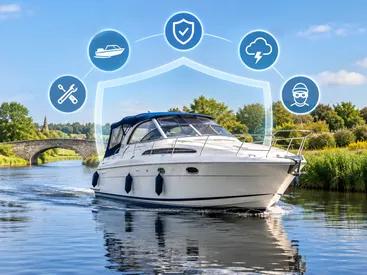
However, commanding a luxury vessel requires preparation, respect for nature, and a solid understanding of local navigation. Whether you are a seasoned skipper or renting a charter for the first time, keeping your crew and vessel secure is paramount. Here are the essential cruiser safety tips you need to know before untying the lines and exploring the Shannon.
Understanding the Shannon's Unique Navigation System
Navigating a motor cruiser Ireland waterways present differs significantly from open-sea coastal sailing. The Shannon relies on a specific, color-coded marker system that every skipper must memorize before setting off.
When traveling upstream (from south to north, e.g., from Killaloe toward Carrick-on-Shannon), keep the red cylindrical markers on your left (port) side and the black conical markers on your right (starboard) side. When traveling downstream, this rule reverses.
Large lakes like Lough Derg and Lough Ree can mimic open-sea conditions. In these vast waters, it is incredibly easy to stray off course. Always stay within the designated navigation channels marked on your charts. Getting caught on a hidden shoal or rocky shoal can cause severe damage to your vessel's hull and propellers.
Pre-Departure Checklists and Essential Safety Gear
Before you turn the ignition key on your motor cruiser Ireland adventure, a comprehensive pre-departure inspection is non-negotiable.
- Lifejackets (PFDs): Ensure there is a correctly sized, certified lifejacket for every person on board. Irish law stipulates that lifejackets must be worn by anyone under the age of 16 at all times on deck, and by adults when casting off, berthing, or in rough weather.
- Communication Equipment: Ensure your Marine VHF radio is working, and keep mobile phones fully charged in waterproof cases.
- Engine and Fuel Check: Verify fuel levels, check engine oil, and ensure the bilge pumps are operational.
Familiarize your crew with the location of fire extinguishers, the first-aid kit, and the emergency throw lines before leaving the marina.
Mastering Locks and Bridges Safely
The Shannon’s locks and opening bridges are managed excellently by Waterways Ireland, but they require cautious handling. Approaching a lock on a heavy motor cruiser Ireland rental or private boat demands slow, controlled speeds.
As you enter the lock chamber, have your crew ready with bow and stern lines. Cruiser safety tips dictate that you should never tie your ropes tightly to the lock wall hooks or bollards; instead, loop them around so you can adjust the tension manually as the water level rises or falls. Keep your engine running until the vessel is stable, and ensure everyone on deck wears a lifejacket during the process.
Weather Awareness on the Big Lakes
Irish weather is famously unpredictable. A calm morning on Lough Ree can quickly transform into a choppy, challenging afternoon. High winds can create steep, rolling waves on the larger lakes that test the limits of your shannon river boating experience.
Always check the local Met Éireann marine forecasts before crossing a lake. If gale warnings or high winds (Force 4 or above) are predicted, it is best to alter your itinerary and stay tucked safely in a sheltered marina or river stretch. If you do get caught in rough weather, keep your bow angled into the waves at a reduced speed and secure all loose gear in the cabin.
Responsible Mooring and Etiquette
When it comes to shannon river boating, how you park your boat matters just as much as how you drive it. When approaching a public jetty or marina, always assess the wind direction and current. Approach the dock slowly, moving "into" the wind or current to maintain maximum steering control.
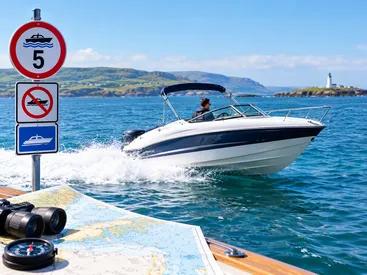
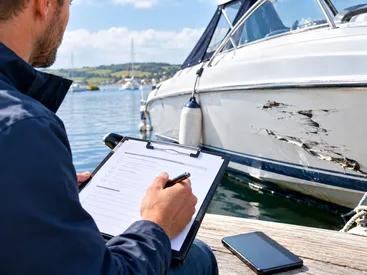
Use adequate fenders on both sides of your cruiser to protect the hull from chafing against concrete piers or neighboring boats. Additionally, practice good etiquette on inland waterways Ireland paths by keeping your wake low when passing moored vessels, swimmers, or wildlife. Excessive wake can cause other boats to smash against piers, leading to preventable insurance claims and structural damage.
By prioritizing preparation, keeping a sharp lookout, and respecting the natural power of the river, your journey down the Shannon will be smooth, safe, and truly spectacular.
You may also like to Read