
Sports Boat Regulations in Ireland Explained
Understand speed limits, safety rules and local boating law.
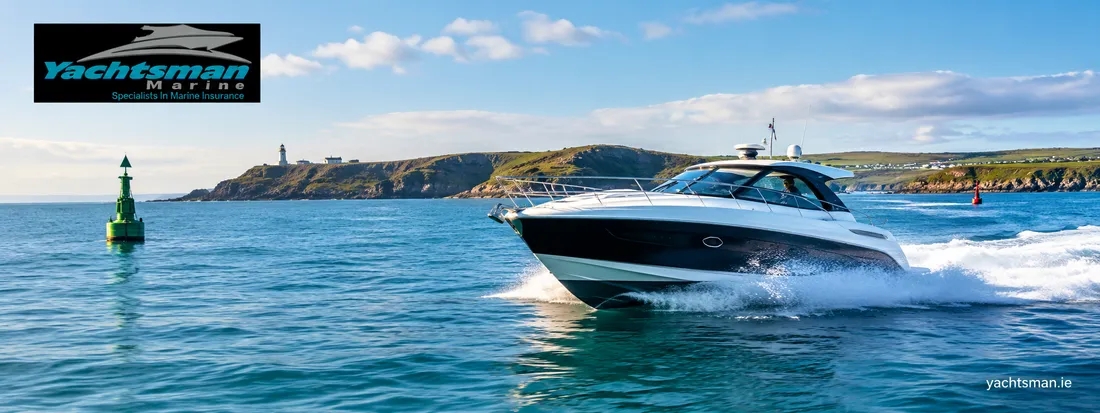
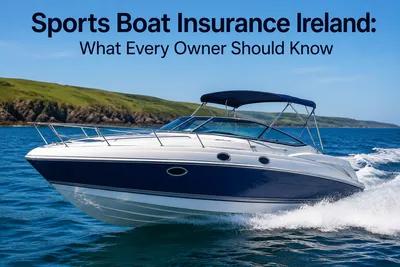
Sports boats, RIBs and other fast power craft can make coastal cruising and inland boating exciting, but speed on the water brings additional responsibility. A boat that is comfortable at high speed in open water may become difficult to control near a harbour entrance, a busy marina, swimmers, kayakers or moored vessels. Understanding the rules before setting off is therefore part of safe and lawful boating in Ireland.
There is no single nationwide speed number that applies to every sports boat in every Irish location. Restrictions can depend on the waterway, local authority, harbour authority, Waterways Ireland rules, the type of craft and the activity taking place. A posted limit or local bye-law may apply in one area, while another location may rely more heavily on the general requirement to operate at a safe speed and with reasonable consideration for other water users.
This guide explains the main principles behind sports boat regulations Ireland, including the meaning of fast power craft, local restrictions, safe-speed decisions, personal watercraft, towing activities and practical preparation. It is general information rather than legal advice. Always check current local notices, bye-laws and official guidance for the waters where you intend to operate.
What Are Sports Boats and Fast Power Craft?
“Sports boat” is a broad everyday term rather than a single legal category. It can describe a high-performance open boat, a ski boat, a RIB, a day boat or another mechanically propelled recreational craft designed for speed and manoeuvrability. Powerboats may range from small outboard craft to larger cabin boats, and not all have the same operating characteristics or regulatory requirements.
A fast power craft is generally described in Irish recreational-craft guidance as a craft capable of attaining a speed through or over the water of 17 knots or more. In simple terms, the definition is based on what the boat can achieve, not necessarily the speed at which it happens to be travelling on a particular outing.
A personal watercraft, such as a jet ski, is a separate type of mechanically propelled craft operated by a person sitting, standing or kneeling on it rather than inside it. Personal watercraft and fast power craft can be subject to specific age, lifejacket and operational requirements.
The same owner may therefore need to conside r different rules for a sports boat, a RIB, a personal watercraft and a slower motor boat. The craft’s design, speed capability, length, use and operating area can all matter.
Are There Speed Limits for Sports Boats in Irish Waters?
The answer to the search phrase “speed limit boat Ireland” is location-specific: there may be a numerical speed restriction, but there is not one universal number for all sports boats throughout the State.
Under the Maritime Safety Act 2005, local authorities, harbour authorities and Waterways Ireland can make bye-laws regulating or controlling craft in waters within their respective areas. Those bye-laws can address where and when craft may operate, launching, mooring, berthing, conditions of use and maximum speed limits. A restriction may be introduced to protect people, prevent damage or nuisance, manage a busy waterway or safeguard a particular area.
In practice, boaters may encounter different arrangements in:
•Harbours and port approaches
•Marinas and public moorings
•Inland lakes and navigations
•Rivers and canals
•Areas close to bathing or swimming activity
•Waterways with heavy recreational traffic
•Narrow passages, locks, bridges and jetty approaches
A local limit may be displayed on signage, published in bye-laws or communicated through a marine notice. Do not assume that a speed limit from one lake, harbour or navigation applies to another. Waterways Ireland states that its navigable waterways can have different bye-laws, speed limits, facilities and operating arrangements, so owners should consult the information for the specific waterway.
Even where no numerical restriction is posted, a fast boat is not entitled to travel at its maximum capability. The operator must choose a safe and reasonable speed for the circumstances and place, keep a proper lookout and avoid operating in a way that creates danger, nuisance or unreasonable risk to others.
Safe Speed vs Posted Speed Limits
A posted or local speed limit is a specific restriction, such as a maximum speed set for a defined area. A safe-speed requirement is broader. It means choosing a speed that allows the person in control to navigate, keep clear of hazards and stop or manoeuvre in time for the conditions.
Factors that should influence safe speed include:
•Visibility, including fog, glare and darkness
•The number and type of nearby vessels
•Wind, waves and sea state
•Tidal currents and the direction of flow
•The boat’s stopping distance and acceleration
•Manoeuvrability and steering response
•Depth of water and underwater hazards
•Swimmers, paddleboarders, divers and anglers
•Moored craft, buoys, jetties and harbour structures
•The experience of the driver and the condition of the boat
A sports boat may be within a posted limit and still be travelling too fast for a crowded or restricted area. Conversely, open water may allow a higher speed when visibility, sea room, traffic, equipment and crew competence are all suitable. The decision must be continuously reassessed rather than made once at the start of the trip.
Reducing speed also reduces wash. Excessive wash can affect small craft, people on the shore, moored boats and vessels engaged in work. Near marinas, quays, bathing areas and narrow channels, slowing down early is a basic part of maritime safety.
Powerboat Rules in Ireland
The main powerboat rules Ireland users should understand are not limited to the number shown on a speed sign. They include the wider navigation and safety obligations that apply whenever a mechanically powered craft is underway.
A responsible operator should:
•Maintain a proper lookout by sight and hearing, using available equipment appropriately
•Proceed at a safe speed for the circumstances
•Follow the applicable navigation and collision-avoidance rules
•Take early and effective action to avoid collisions
•Give reasonable consideration to other people using the water
•Respect local bye-laws, harbour instructions and waterway notices
•Reduce speed and wash near vulnerable or smaller craft
•Avoid dangerous manoeuvres, abrupt turns or high-speed operation in confined waters
•Ensure the boat is suitable, maintained and properly equipped for the intended trip
The Rules of the Road are not optional because a boat is recreational. A sports boat operator must understand how to act around sailing vessels, rowing boats, kayaks, personal watercraft and commercial traffic. “Power gives way to sail” is a useful general principle, but it is not a substitute for learning the full collision regulations and applying them to the actual situation.
There may also be age-related requirements. Irish guidance states that a person under 16 must not operate a personal watercraft or fast power craft, and the owner or master has responsibility for ensuring that this restriction is observed. This should not be confused with a claim that every sports boat operator requires a general nationwide driving licence. Requirements can vary by craft and activity, and proper training remains strongly advisable.
Local Bye-Laws and Harbour Restrictions
Before launching or entering a new area, find the rules made by the relevant authority. Local bye-laws can regulate:
•Where a craft may operate
•Times or seasons when an activity is permitted
•Launching and recovery
•Mooring and berthing
•The use of particular craft types
•Maximum speeds and no-wash areas
•Towing, bathing or water-sports zones
Local authorities may regulate waters in their functional areas, harbour authorities may regulate waters under their control and Waterways Ireland regulates and manages its designated inland waterways. The boundaries and rulebooks are not interchangeable.
Extra caution is warranted around harbours, marinas, bathing areas, inland lakes, rivers, canals, locks, bridges and areas with a high concentration of recreational craft. Check signs on arrival, but also look up the current bye-laws or marine notices before the trip. Signage may be easy to miss from the water, and a restriction can apply before the point where it becomes obvious.
Do not rely on an old social-media post, a friend’s memory or a speed rule from a neighbouring county. Restrictions and notices can change, and a waterway may have separate rules for different sections. If in doubt, contact the relevant harbour office, local authority or Waterways Ireland office before operating at speed.
Regulations for Fast Power Craft
Owners and operators of fast power craft should pay particular attention to the following areas:
Age and responsibility
Persons under 16 must not operate a personal watercraft or fast power craft. The owner or person in charge should also consider whether the proposed operator has enough training, experience and judgement for the boat’s speed, sea conditions and intended route.
Lifejackets and personal flotation devices
Irish law includes requirements concerning personal flotation devices and lifejackets, with details depending on the craft and circumstances. Personal watercraft users must wear a suitable device, and additional rules apply to other pleasure craft categories. The Department of Transport’s Code of Practice explains the relevant requirements and recommended practice. Do not treat a lifejacket as optional simply because the weather is calm; select suitable equipment, ensure it fits and brief passengers on its use.
Alcohol and drugs
Operating a fast craft while impaired by alcohol or drugs is unsafe and may have legal consequences. The person in control must remain capable of maintaining a lookout, making decisions and handling an emergency. Passengers should also avoid behaviour that distracts the driver or affects the boat’s balance.
Towing and special activities
Skiing, wakeboarding and towing inflatables introduce additional hazards. The driver must understand the applicable local rules, keep a proper lookout and make sure the equipment and people involved are suitable for the activity. A boat’s ability to accelerate quickly does not make a crowded or restricted area appropriate for towing.
Water Sports Law and Towed Activities
The phrase “water sports law” covers more than a single statute. Towed activities may be affected by national safety requirements, collision rules, local bye-laws, harbour restrictions, designated zones and the general duty to operate responsibly.
Before towing a person, consider whether:
•A dedicated lookout is required or practically necessary
•The driver can communicate effectively with the person being towed
•The route keeps clear of swimmers, other boats, fixed hazards and shallow water
•The weather, visibility and sea state are suitable
•The activity is permitted in that location and at that time
•Appropriate flotation and other safety equipment are available
•The boat has enough room to turn or stop without endangering others
Follow local signs and instructions around bathing areas and harbours. Never assume that a familiar beach or lake is available for towing just because it was used in a previous season. If conditions become crowded, visibility deteriorates or communication fails, end the activity and return at a safe speed.
Sports Boats in Inland and Coastal Waters
A sports boat may face very different considerations depending on where it is operated.
Coastal waters can provide more sea room, but wind, swell, tide, fog and commercial traffic can make high-speed operation hazardous. Navigation must account for headlands, rocks, lobster pots, shipping routes and changing sea conditions.
Harbours and marinas are confined environments with moorings, pontoons, ferries, workboats and pedestrians close to the water. Local speed or no-wash rules are particularly common areas of concern.
Lakes may appear sheltered but can develop sudden wind and waves. They also often have busy sailing, rowing, angling and swimming activity, together with local restrictions.
Rivers and canals typically involve limited width, shallower water, bridges, locks, moored craft and specific Waterways Ireland operating rules. A boat capable of 17 knots at sea may be unsuitable for anything close to that speed inland.
Safety Equipment and Preparation
Before taking a sports boat out, check:
•Suitable lifejackets or PFDs for everyone, correctly fitted
•VHF or other appropriate communication equipment
•Navigation equipment, charts and a means of checking position
•Fuel level, engine condition, cooling, battery and bilge systems
•Steering, throttle and emergency shut-off controls
•Fire-safety equipment where applicable
•Anchor, line, first-aid kit and emergency equipment
•Weather forecast, visibility and tide information
•Route, hazards, local restrictions and alternative shelter
•Emergency contacts and a means of raising the alarm
•A briefing for passengers, including where to sit and what to do if someone falls overboard
The exact equipment required depends on the craft, size, location, distance from help and activity. A pre-departure checklist is particularly useful for fast boats because small mechanical or control problems can develop quickly at speed.
Common Mistakes Sports Boat Owners Should Avoid
Common errors include:
•Assuming Ireland has one speed limit for all sports boats
•Ignoring local bye-laws or failing to check a new harbour’s rules
•Treating the absence of a sign as permission for unlimited speed
•Travelling too fast in confined or busy waters
•Failing to account for wind, tide, visibility and stopping distance
•Using a high-speed boat without adequate training or experience
•Failing to keep a proper lookout while concentrating on the controls
•Carrying unsuitable or poorly fitted safety equipment
•Assuming a towing activity is allowed wherever the boat can physically operate
•Relying on outdated information instead of current notices and signage
Practical Checklist Before Taking a Sports Boat Out
Use this short checklist before departure:
1.Check the local bye-laws, signs and any harbour or waterway notices.
2.Check the weather, visibility, wind, sea state and tides.
3.Confirm fuel, engine, steering, controls and bilge systems.
4.Check lifejackets, communication equipment and emergency gear.
5.Brief passengers and confirm who is responsible for the boat.
6.Plan the route, hazards, speed-restricted areas and safe alternatives.
7.Identify swimmers, sailing areas, moorings and commercial traffic.
8.Keep a proper lookout and adjust speed continuously.
9.Tell someone ashore your plans where appropriate.
10.If conditions or local traffic make the plan unsuitable, slow down, change the route or return.
Frequently Asked Questions
Is there a speed limit for sports boats in Ireland?
There is no single nationwide speed limit for every sports boat and location. Local authorities, harbour authorities and Waterways Ireland can set area-specific maximum speeds, while operators must also travel at a safe and reasonable speed for the conditions.
What are the main powerboat rules in Ireland?
Operators should keep a proper lookout, follow collision-avoidance rules, proceed at a safe speed, give reasonable consideration to others, comply with local bye-laws and use suitable safety equipment. Additional requirements may apply to particular craft or activities.
Can local authorities set speed limits for boats?
Yes. Under the Maritime Safety Act 2005, local authorities, harbour authorities and Waterways Ireland can make bye-laws regulating craft in the waters under their respective control, including maximum speed limits.
What is considered a fast power craft in Ireland?
Irish recreational-craft guidance generally describes a fast power craft as one capable of attaining 17 knots or more through or over the water. Specific rules can also depend on the craft type and activity.
Do sports boat operators need to wear lifejackets in Irish waters?
Lifejacket and PFD requirements depend on the craft and circumstances, and Irish law includes mandatory requirements for certain categories and situations. Personal watercraft users must wear a suitable device. Check the current official guidance for your craft and activity.
Conclusion
Safe sports boating in Ireland is not simply a matter of staying below a particular number on the speedometer. A responsible operator must know whether a local speed restriction applies, understand the difference between a posted limit and safe speed, follow navigation rules, respect swimmers and other craft, and adapt to weather, visibility, tide and traffic.
The most useful approach to sports boat regulations Ireland is to combine national requirements with the current rules for the specific harbour, lake, river, canal or coastal area. Check local bye-laws, prepare the boat and crew, and treat speed as a tool that must always be matched to the conditions. That approach makes powerboat use safer, more predictable and more respectful of everyone sharing Irish waters.
You may also like to Read