
Top Coastal Cruising Routes in Ireland
Top Coastal Cruising Routes in Ireland for Motor Cruiser Owners
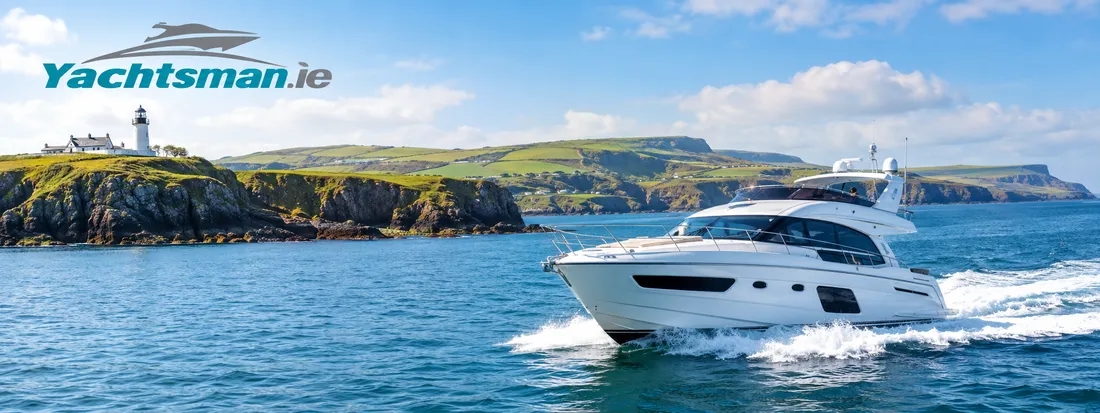
Ireland offers an extraordinary variety of cruising waters within a relatively compact coastline. A single season can take a motor cruiser from busy Dublin Bay and historic Wicklow to the sheltered coves of West Cork, the dramatic islands of Galway Bay and the remote beauty of Donegal. For owners who enjoy combining a comfortable passage with good food, scenery and shore-based exploring, coastal cruising Ireland has plenty to offer.
Choosing a route needs more thought than simply joining the dots between attractive harbours. Wind direction, swell, tidal streams, fuel range, marina access and daylight can all change how enjoyable — and manageable — a passage becomes. Some destinations are excellent for a relaxed day trip, while others are best suited to experienced crews who are comfortable with longer legs and fewer facilities. The following coastal motor cruiser routes provide a useful starting point for planning an itinerary around Irish waters.
West Cork: the classic sheltered-bay cruise
West Cork is one of the most rewarding areas for a motor cruiser. The coastline is deeply indented, with islands, rocky headlands and numerous bays that offer alternatives when the weather changes. It is particularly well suited to an itinerary with short passages and several possible overnight stops.
Kinsale, Courtmacsherry and the Cork coastline
Kinsale is a natural starting point for a cruise along the south coast. Its harbour provides a well-known base for exploring the Old Head of Kinsale, Rocky Island and the coastline towards Courtmacsherry. The town itself is an appealing stop, with restaurants, shops and a strong maritime character.
The approach and onward passages still require proper navigation. Wind over tide can make exposed sections uncomfortable, especially around headlands. Motor cruisers should check the forecast and tidal information before leaving the harbour, rather than assuming that a short distance means easy conditions. Kinsale works well for newer coastal cruisers because an owner can build confidence with day passages before committing to a longer journey west.
Baltimore, Schull and Roaringwater Bay
Further west, Baltimore is a convenient gateway to Roaringwater Bay and the islands of West Cork. Sherkin Island, Cape Clear and Heir Island make the area feel like a genuine island-hopping destination, while Schull offers another useful base for exploring the bay.
This is an especially enjoyable choice for a west coast Ireland boat trip when the crew wants variety without travelling long distances every day. There are quiet anchorages and attractive stopping points, but shelter varies with wind direction. Local knowledge, updated charts and careful soundings are valuable, particularly when approaching unfamiliar coves. Some smaller places have limited services, so fuel, provisions and shore access should be considered in advance.
Bantry Bay and Kenmare Bay
Bantry Bay provides broad water, impressive mountain scenery and several possible stops around the shoreline. It can suit a longer stay because the bay has enough space to create different itineraries depending on the weather. Glengarriff and the area around the Beara Peninsula offer attractive shore excursions, while the islands and headlands provide memorable views from the water.
Kenmare Bay continues the pattern of dramatic scenery and sheltered inlets, although the area demands close attention to tides and navigation. The coastline is intricate and distances can be deceptive. Motor cruisers with a reliable range and good electronic and paper-chart planning can enjoy a rewarding exploration, but should not rely on a chart plotter alone. Have a clear plan for entrances, depths, tidal streams and an alternative anchorage before setting out.
Dingle Bay and the south-west coast
Dingle Bay is a strong choice for owners looking for a mix of open-water scenery, a lively harbour and access to the Dingle Peninsula. Dingle makes a useful base for exploring the surrounding coast, with shore-side facilities and opportunities to refuel and restock.
The bay can feel exposed in unsuitable weather, and passages around the peninsula should be planned with wind, swell and visibility in mind. The Blasket Islands are a major scenic attraction, but a visit is more dependent on conditions than a trip to a mainland harbour. A motor cruiser gives the crew flexibility to make an early start, shorten the passage or remain in more sheltered water if the forecast deteriorates.
This area suits experienced day cruisers and multi-day visitors who are comfortable adapting their itinerary. It is also a useful reminder that Irish coastline boating is not only about destinations: the passage itself, with cliffs, headlands and changing light, is part of the experience.
Galway Bay, the Aran Islands and Connemara
Galway Bay offers one of the most distinctive cruising environments on the west coast. Galway Harbour and nearby bases provide access to a large area that includes the Aran Islands, the Burren coastline and the rugged shores of Connemara.
The Aran Islands
Inis Mór, Inis Meáin and Inis Oírr each have a different character, and visiting by boat offers a memorable perspective on their stone walls, cliffs and traditional landscapes. The islands are not simply interchangeable stops: the approach, landing arrangements and available shelter can vary, so crews should check current local information before travelling.
Tidal streams and sea conditions matter in Galway Bay, particularly around headlands and island passages. An itinerary that looks straightforward on a map may need to be timed around the tide. For a motor cruiser, the islands are best approached with a conservative plan, sufficient fuel reserve and a willingness to move on if the anchorage or landing conditions are unsuitable.
Connemara and the inner west coast
The Connemara coastline rewards slow exploration. Its combination of low islands, rocky shores, mountains and quiet bays creates excellent scenery from the helm. Depending on the vessel and weather, owners may plan short hops between sheltered areas rather than one long passage.
Navigation can be intricate, with rocks, shallow water and narrow entrances in places. This is a route for crews who are comfortable cross-checking electronic navigation with official charts, visual bearings and depth information. It is also wise to confirm which anchorages are suitable for the boat’s draught and whether shore access is practical.
Clew Bay, Achill Island and Donegal Bay
Clew Bay, near Westport and Achill Island, is another appealing area for island-focused cruising. The bay contains numerous islands and offers views towards Croagh Patrick and the Mayo coast. It can provide a series of manageable legs, although the amount of shelter depends on wind direction and the chosen anchorage.
Achill adds beaches, cliffs and walking opportunities, making the area attractive to crews who want time ashore as well as time underway. The coastline is exposed in places, so a flexible route is essential. Check harbour information, tidal windows and the availability of fuel before travelling farther from the main facilities.
Donegal Bay is broader and more open than many of the indented bays farther south. Sligo, Killybegs and the Donegal coastline offer access to striking scenery, beaches and mountain-backed passages. These waters are rewarding but should not be treated as a sheltered extension of West Cork. Longer distances, Atlantic swell and fewer convenient stopping points may make this a better option for experienced crews with a well-equipped boat and a reliable weather window.
Dublin Bay, Wicklow and the east coast
The east coast provides a different style of coastal cruising. Dublin Bay has accessible marinas, a strong boating community and a choice of shore-side attractions. It can be ideal for a relaxed day trip, particularly when the crew wants a route with straightforward access to services and dining.
South of Dublin, Wicklow and the surrounding coastline offer attractive day-cruising opportunities, but exposed sections can become uncomfortable when wind and tide oppose one another. The east coast generally has fewer island-hopping options than the western seaboard, yet its convenient facilities and transport links make it practical for short breaks and weekend itineraries.
For owners comparing east coast Ireland and west coast Ireland, the choice often comes down to priorities. The west offers more dramatic shelter variations, islands and remote scenery; the east can offer easier access, predictable support facilities and convenient shorter passages.
Planning Your Coastal Cruising Route in Ireland
A safe itinerary should match the boat and crew, not just the attractions on a map. Before departure:
•Check marine forecasts for wind strength, direction, visibility, swell and any warnings. Irish weather can change quickly, so review the forecast again on the day of departure.
•Study tides and tidal streams for headlands, harbour entrances and narrow passages. Tidal height affects depth, while a strong stream can alter speed over the ground and sea conditions.
•Make a passage plan with courses, distances, hazards, waypoints, estimated fuel use and a realistic arrival time.
•Confirm fuel availability, opening arrangements and marina or harbour access. Smaller harbours may have limited services or depth restrictions.
•Carry up-to-date charts and use navigation equipment properly. A plotter is helpful, but it should support — not replace — a broader understanding of the water around you.
•Test the VHF radio, keep it monitored as appropriate and make sure the crew knows basic communication procedures.
•Check lifejackets, flares or approved alternatives, navigation lights, bilge systems, fire extinguishers, first-aid supplies and means of calling for assistance.
•Leave someone ashore with your intended route and expected return time, particularly for less familiar waters.
•Check local harbour rules, anchoring restrictions, protected areas and landing arrangements before visiting islands or busy waterfronts.
There is a meaningful difference between a relaxed coastal day trip, a multi-day itinerary and a longer offshore passage. A day trip can be planned around a familiar harbour and a conservative return window. A multi-day cruise requires provisions, charging plans, fuel reserves, berth or anchorage alternatives and a route that can be shortened. Longer offshore passages demand more attention to crew endurance, redundancy, communications, sea room and the consequences of a weather change.
Range, fuel capacity, cruising speed, crew experience and daylight should all influence the route. Avoid planning on the assumption that the boat will run at its maximum speed for the entire passage. A sensible reserve leaves options if the sea state worsens or a harbour becomes inaccessible.
Best Time of Year for Coastal Cruising in Ireland
Spring can bring clear light, quieter harbours and attractive conditions for owners preparing for the season. Water temperatures remain cold and weather patterns can be unsettled, so shorter passages and conservative forecasts are sensible.
Summer generally offers the longest daylight and the greatest choice of events, open facilities and shore-side activities. It is also a busy period, and popular harbours may require advance planning. Good weather is never guaranteed, so crews should still allow for wind, rain, fog and a change of plan.
Early autumn can be especially enjoyable, with quieter cruising grounds and a mature season’s familiarity with the boat. However, daylight shortens and Atlantic weather systems can become more influential. Keep itineraries flexible and avoid letting a calm morning create false confidence about the return passage.
The best time for coastal cruising Ireland is ultimately the period when the forecast, vessel and crew are aligned. No month removes the need for a proper check before departure.
Frequently Asked Questions
What are the best coastal cruising routes in Ireland?
West Cork, Bantry Bay, Dingle Bay, Galway Bay, the Aran Islands, Clew Bay and Dublin Bay are all strong options. The best choice depends on the boat’s range, crew experience, desired level of shelter and access to facilities.
What is the best time of year for coastal cruising in Ireland?
Late spring through early autumn is the main leisure-boating season because of longer daylight and more open facilities. Conditions vary from day to day, however, so always check the latest marine forecast rather than relying on the calendar.
Is the west coast of Ireland suitable for motor cruisers?
Yes, provided the route is matched to the vessel and conditions. The west coast offers sheltered bays and scenic island cruising, but it also includes exposed Atlantic passages, tidal streams and areas with limited services.
What should I check before planning a coastal boat trip in Ireland?
Check the marine forecast, tides, tidal streams, charted hazards, fuel range, harbour access, local restrictions, safety equipment and an alternative plan. Share your passage details with someone ashore.
How far can a motor cruiser travel along the Irish coast?
There is no single answer. Practical distance depends on fuel capacity, cruising speed, sea conditions, hull design, crew endurance and available refuelling points. Plan around a reserve rather than using the boat’s maximum theoretical range.
Conclusion
Ireland’s coastline gives motor cruiser owners an unusually broad choice of experiences: sheltered island-hopping in West Cork, mountain-backed bays in Kerry and Connemara, open-water scenery around Dingle and Donegal, and accessible day cruising along the east coast. The most enjoyable coastal motor cruiser routes are those that balance ambition with shelter, navigation, fuel range and crew confidence.
With careful passage planning and flexibility for changing weather, coastal cruising Ireland can be as relaxed or adventurous as you choose. Start with manageable legs, learn how each cruising ground responds to wind and tide, and leave room in the itinerary for the conditions to make the final decision.
You may also like to Read