
Boat Insurance Claim Ireland: Step-by-Step Guide
How to Make a Boat Insurance Claim in Ireland
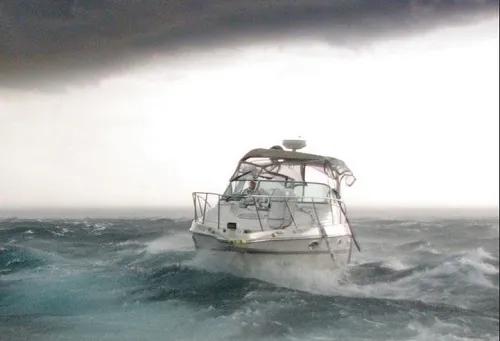
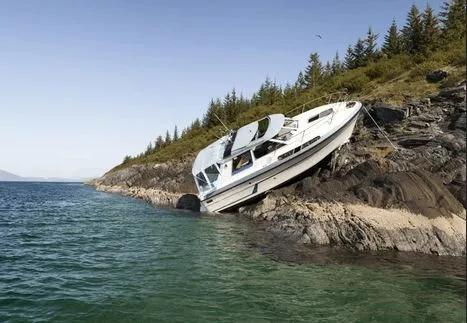
A boat insurance claim in Ireland should begin with safety, not paperwork. After an accident, collision, theft, storm, fire, grounding, or other loss, protect people first, prevent further damage where it is safe to do so, and notify the relevant parties promptly. Your policy wording then determines what is covered, which costs are recoverable, and whether the insurer must approve an inspection or repairs before work starts.
This guide explains the usual marine claim process in Ireland. It is general information only. Your policy schedule, policy wording, endorsements, excess, exclusions, and notification deadlines take priority.
Step 1: Put People and the Vessel’s Safety First
Check for injuries and call the emergency services when necessary. If another vessel is involved, provide reasonable assistance without putting anyone at risk. Depending on the circumstances, you may also need to contact the Irish Coast Guard, harbour authority, marina operator, or Gardaí.
Once people are safe, take reasonable steps to protect the vessel and reduce further loss. This may include switching off the engine or electrical systems if safe, securing loose equipment, moving the boat away from immediate danger, or arranging a tow. Do not take an action that could endanger people or compromise an official investigation.
Keep receipts and records for emergency assistance, towing, temporary storage, salvage, or other reasonable mitigation costs. These may be relevant to your claim, subject to the policy terms.
Step 2: Check Whether the Incident Must Be Reported Separately
Not every boating incident follows the same reporting route. A serious marine accident may need to be notified to the Marine Accident Investigation Unit (MAIU), as well as to your insurer. The MAIU states that notification should generally be made immediately on becoming aware of a marine accident, or as soon as practicable afterward. Its guidance covers events such as serious injury, loss or abandonment of a ship, material damage, stranding, disabling, collision, or serious environmental harm.
The MAIU also explains that certain notification obligations do not apply where the accident involves only a personal watercraft, recreational craft, or small fast powered craft. The facts matter, so contact the MAIU if you are unsure whether a notification is required. A marine safety notification is separate from an insurance claim and does not decide who is legally or financially responsible.
Step 3: Read Your Policy Before Authorising Work
Insured Event:
Confirms whether the loss involves a covered event, such as accidental damage, theft, fire, or storm damage.
Excess:
Shows the amount you may need to pay toward an accepted claim.
Exclusions:
Identifies circumstances, events, or types of loss that are not covered by the policy.
Notification Deadline:
States how quickly you must inform the insurer about the incident.
Repair Conditions:
May require an inspection, written estimates, use of an approved repairer, or prior authorisation before repairs begin.
Navigation and Use Limits:
May affect your cover depending on where, how, and for what purpose the vessel was being used.
Security and Maintenance Conditions:
May require specific locks, storage arrangements, regular servicing, or evidence that the vessel was properly maintained and seaworthy.
Do not assume that a policy covers every cost connected with a vessel damage claim. For example, emergency towing, salvage, personal belongings, electronics, trailers, consequential losses, and temporary repairs may be treated differently under different policies.
Step 4: Preserve Evidence at the Scene
Gather evidence as soon as it is safe. Take clear photographs and videos of the vessel, the damage, the surrounding area, berth or mooring, weather conditions, navigation marks, and any other property involved. Capture both wide views and close-ups. Do not clean up or discard damaged parts unless leaving them in place creates a safety risk.
Write down what happened while your memory is fresh. Include the date, time, location, tide or weather conditions where relevant, course or manoeuvre, speed, warnings given, and the sequence of events. Keep the vessel’s logbook entries and any relevant electronic records, such as GPS or engine data, in their original form.
Collect names, contact details, insurance information, and statements from witnesses or other parties. Do not admit liability, agree a settlement, or make a formal statement on behalf of another party without first taking appropriate advice and following your insurer’s instructions.
Step 5: Report the Claim Promptly
Contact the insurer or broker using the claims procedure in your policy. Prompt notification helps the insurer investigate while evidence is available and reduces the risk of a delay being treated as a breach of policy conditions.
Prepare a concise first report containing:
•Your policy number and contact details.
•The vessel’s name, registration or identification details, and location.
•The date, time, and place of the incident.
•A factual description of what happened.
•The type and apparent extent of the loss or damage.
•Details of injuries, theft, pollution, or third parties involved.
•Any Garda, Coast Guard, harbour, marina, or MAIU reference.
•Details of emergency actions, towing, salvage, or temporary repairs.
•Photographs, video, witness details, and available documents.
Be accurate and consistent. If you do not know an answer, say that you are still checking rather than guessing. Keep the claim reference number and record the date, time, and substance of each call.
Step 6: Obtain Inspection and Repair Instructions
For significant damage, the insurer may appoint a surveyor, loss adjuster, or engineer to inspect the vessel. Ask whether the vessel should remain untouched until inspection and whether the insurer requires particular repairers or written estimates.
Emergency work may be necessary to make the vessel safe, prevent worsening damage, or recover it from danger. Limit such work to what is reasonably necessary unless you have approval for more extensive repairs. For non-emergency work, obtain written authorisation before dismantling, repairing, replacing, or disposing of damaged components.
Request itemised estimates that separate labour, materials, storage, transport, VAT, and any betterment or upgrade. Keep invoices, receipts, photographs taken during the repair, removed parts, and reports from marine professionals. Ask the repairer to identify hidden damage discovered after dismantling and notify the insurer before proceeding with additional work.
Step 7: Supply the Documents Needed to Assess the Claim
The insurer may ask for documents to establish ownership, value, cause, and the amount of loss. Depending on the incident, this may include the following:
Policy Documents:
Establish the applicable cover, policy limits, excess, exclusions, and conditions.
Proof of Ownership:
May include purchase documents, registration records, finance information, or other evidence showing that you own or have an insurable interest in the vessel.
Vessel Details:
Include the boat’s make, model, year, specifications, registration details, and equipment inventory.
Maintenance History:
May include servicing records, inspection reports, marine surveys, repair invoices, and evidence of routine maintenance.
Incident Records:
Can include logbook entries, GPS data, photographs, videos, weather information, and witness accounts.
Loss Reports:
May include reports from the Gardaí, harbour authority, marina, Coast Guard, Marine Accident Investigation Unit, or other relevant authorities.
Repair Evidence:
Includes repair estimates, invoices, engineer’s reports, survey reports, photographs, and receipts for completed work.
Theft Evidence:
Should include a list of missing items with descriptions, make and model, age, proof of ownership, and estimated value.
Emergency-Cost Evidence:
Includes receipts for towing, salvage, temporary storage, emergency repairs, and replacement items purchased to prevent further damage.
Send copies unless the insurer specifically requests originals. Keep a complete duplicate file and avoid altering digital photographs or other original records.
Step 8: Cooperate With the Investigation and Track Progress
Answer reasonable requests promptly and provide factual information in writing where possible. If the insurer asks for a statement, survey, proof of ownership, or additional repair evidence, confirm exactly what is required and the deadline for supplying it.
Maintain a claim diary with the reference number, dates, contacts, documents sent, decisions received, and outstanding questions. Ask for important decisions, requests, and reasons in writing. This record can help identify missing information and makes it easier to challenge an incorrect or incomplete assessment.
The insurer may assess whether the loss is covered, whether the policy conditions were met, the extent of damage, the appropriate repair method, and the value of any settlement. The final outcome can depend on the wording of the policy and the evidence available.
Step 9: Review the Settlement Before Accepting It
When you receive a settlement proposal, compare it with the policy, survey, estimates, and your documented loss. Check whether the calculation accounts for the policy excess, limits, depreciation, betterment, salvage, VAT treatment, and any agreed emergency costs.
If you disagree with the valuation or scope of repairs, ask for a written breakdown. Identify the specific item you dispute and provide supporting evidence, such as an independent estimate, survey, invoice, proof of purchase, or comparable valuation. Do not sign a full and final settlement until you understand what rights you may be giving up.
Step 10: Challenge a Declined or Partially Paid Claim
If a claim is declined or only partly paid, request the decision and reasons in writing. Ask the insurer to identify the exact policy clause relied upon and explain how it applies to the evidence. Review the exclusions, warranties, conditions, limits, and definitions rather than relying only on a summary or verbal explanation.
Use the insurer’s internal complaints procedure if you believe the decision, delay, communication, or settlement is unfair or incorrect. Set out the facts, the outcome you want, and the documents supporting your position. Insurance Ireland advises consumers to read their own policy because terms and practices vary between providers.
If you remain dissatisfied after complaining to the provider, you may be able to bring the matter to the Financial Services and Pensions Ombudsman (FSPO). The FSPO states that you must first complain to the provider before submitting a complaint to the Ombudsman, whose service is independent and free.
Common Mistakes That Can Delay a Boat Insurance Claim
The following mistakes can make the marine claim process in Ireland more difficult:
1.Delaying notification until after repairs are complete.
2.Authorising major work without checking whether prior approval is required.
3.Discarding damaged parts before an inspection.
4.Failing to record emergency expenses.
5.Providing estimates without photographs or supporting documents.
6.Guessing about the cause, speed, weather, or sequence of events.
7.Admitting liability or agreeing compensation at the scene.
8.Ignoring a request for a survey, report, or proof of ownership.
9.Treating a marine casualty notification as a substitute for an insurance claim.
10.Accepting a settlement without checking exclusions, depreciation, excess, and limits.
Quick Checklist for a Boat Insurance Claim in Ireland
Before closing the claim, confirm that you have:
•Made people safe and contacted emergency services where necessary.
•Taken reasonable steps to prevent further damage.
•Checked whether the incident requires a separate official notification.
•Notified the insurer or broker within the policy timeframe.
•Photographed the damage and preserved relevant records.
•Collected witness and third-party details.
•Kept receipts for towing, salvage, storage, and emergency repairs.
•Obtained repair approval where required.
•Sent requested documents and retained copies.
•Recorded all calls, emails, decisions, and claim references.
•Checked any settlement against the policy wording.
•Used the internal complaints process if the claim is declined or disputed.
FAQs
How soon should I report a boat insurance claim in Ireland?
Notify your insurer or broker as soon as possible and follow the deadline in your policy. Prompt reporting allows the insurer to inspect the vessel, preserve evidence, and investigate while details are fresh. Serious marine accidents may also require separate notification to the appropriate authority.
Can I repair my boat before the insurer inspects it?
Only carry out work that is reasonably necessary to protect people, recover the vessel, or prevent further damage unless the insurer has authorised broader repairs. Take photographs, keep damaged parts where safe, retain receipts, and obtain written approval before starting non-emergency work.
What documents are needed for a vessel damage claim?
Common documents include the policy schedule, proof of ownership, photographs, logbook entries, witness details, repair estimates, invoices, maintenance records, survey reports, and receipts for towing or emergency work. Theft claims may also require an itemised list of missing property and evidence of value.
What can I do if my boat insurance claim is rejected?
Ask for the decision and reasons in writing, including the policy clause relied upon. Compare the decision with your evidence and request a review through the provider’s internal complaints process. If the matter remains unresolved, eligible consumers may be able to refer it to the Financial Services and Pensions Ombudsman after first complaining to the provider.
Final Thoughts
The most effective way to claim boat insurance is to act quickly, stay factual, preserve evidence, and follow the policy’s notification and repair requirements. Safety and any legally required marine reporting come first. The insurer can then assess the loss using the policy wording, inspection findings, repair evidence, and documented costs.
If the outcome is unclear, ask for written reasons and a detailed calculation. If a complaint cannot be resolved with the provider, the FSPO may offer a further route for eligible disputes.
You may also like to Read