
Irish Coast Guard Rules for Boat Owners
Irish Coast Guard Rules Every Boat Owner Should Know
Understanding Irish Coast Guard regulations is essential for anyone operating a recreational boat, yacht, sailing craft, powerboat, personal watercraft, or other vessel in Irish coastal or inland waters.
The Irish Coast Guard’s main role is to coordinate maritime search and rescue, respond to maritime casualties, provide pollution response, broadcast marine safety information, and assist vessels in difficulty. In an emergency, boat owners should dial 112 or 999 and ask for the Coast Guard.
However, safe boating begins before an emergency occurs. Every boat owner should plan the trip, check the vessel and equipment, understand the weather, carry appropriate communication devices, and ensure everyone on board knows what to do if conditions change.
The exact legal requirements depend on the vessel type, size, activity, location, and equipment carried. The Department of Transport’s Code of Practice for the Safe Operation of Recreational Craft contains legislative information and recommended guidance for different types of recreational craft.
Know the Rules That Apply to Your Vessel
Not all boats are subject to the same requirements. The rules may differ depending on whether you operate a sailing boat, motorboat, rowing boat, personal watercraft, angling vessel, kayak, canoe, stand-up paddleboard, or high-speed powerboat.
You should identify:
•The type and length of your craft.
•Whether it is powered or non-powered.
•Whether it is being used at sea, on inland waters, or near the shore.
•Whether anyone is being towed.
•Whether the activity involves racing, angling, diving, chartering, or commercial use.
•Whether specific age or training restrictions apply.
•Whether additional equipment is required for the planned voyage.
The Code of Practice includes both legal requirements and recommended best practice. Boat owners should distinguish between the two. A recommendation may not have the same legal status as a regulation, but following best practice can significantly reduce the risk of accidents and improve preparedness.
Wear the Correct Lifejacket or Personal Flotation Device
Lifejackets and personal flotation devices are among the most important pieces of safety equipment on any boat. Irish regulations contain mandatory requirements governing the carriage and use of lifejackets and personal flotation devices on pleasure craft.
A lifejacket should be suitable for the person wearing it, the vessel, and the activity. It should be correctly sized, properly maintained, and easily accessible. A child should never be given an adult-sized lifejacket as a substitute for a correctly fitted device.
Inspect lifejackets regularly for:
•Damaged straps or buckles.
•Tears, worn stitching, or broken components.
•Waterlogged or deteriorated buoyancy material.
•Corrosion or damage to inflation mechanisms.
•Missing whistles, lights, or reflective material.
•Signs of incorrect storage or chemical damage.
Many safety organisations recommend wearing a lifejacket at all times when on the water, especially in rough weather, at night, when alone, or when operating a small craft. Even if a person can swim, cold water, strong currents, injury, and exhaustion can make it difficult to remain afloat.
Carry Suitable Safety Equipment
The correct safety equipment depends on your vessel and voyage. Before leaving, check that equipment is present, serviceable, and accessible.
Depending on the circumstances, your equipment may include:
•Lifebuoys and heaving lines.
•Flares or other approved distress signals.
•A first-aid kit.
•Fire extinguishers and fire blankets.
•A bilge pump or bailer.
•An anchor, chain, and suitable warp.
•Spare fuel or an alternative means of propulsion.
•A torch and spare batteries.
•A waterproof means of communication.
•Navigation lights.
•A radar reflector where appropriate.
•A compass, charts, or electronic navigation system.
•A VHF marine radio.
•An emergency shelter or thermal protective clothing.
•Drinking water and essential medication.
Equipment should be checked before every trip rather than only at the beginning of the season. Batteries expire, flares have dates, fuel lines deteriorate, and inflatable equipment may lose pressure.
A boat owner should also know how each item works. Carrying a VHF radio is not enough if nobody on board knows how to use it during an emergency.
Plan Your Journey Before Leaving
Good voyage planning is one of the most effective ways to prevent an emergency. Before departure, check the weather forecast, wind direction, sea state, tides, currents, visibility, and expected daylight.
Consider whether the planned route is suitable for:
•The experience of the skipper.
•The ability of the crew.
•The size and condition of the vessel.
•The engine or propulsion system.
•The fuel available.
•The navigation equipment.
•The forecast weather.
•The distance from safe harbours or launching points.
Tell a responsible person where you are going, when you expect to return, and what to do if you do not make contact. This information can help rescuers respond more efficiently if you fail to return as planned.
If conditions deteriorate, do not wait until the situation becomes dangerous. Turn back, seek shelter, reduce speed, or request assistance early.
Know How to Call the Coast Guard
In an emergency, dial 112 or 999 and ask for the Coast Guard. Clearly explain:
•Your location.
•The nature of the emergency.
•The number of people on board.
•Whether anyone is injured.
•The vessel’s name and description.
•Your current heading or drift.
•Nearby landmarks, buoys, harbours, or coordinates.
•The equipment available on board.
•The assistance required.
If you use a VHF radio, follow the appropriate emergency communication procedure. A distress call is generally used when there is serious and immediate danger to life or the vessel. Speak clearly, listen carefully, and follow the instructions provided by the Coast Guard or rescue authorities.
Do not leave the vessel unless instructed to do so or unless remaining on board creates a greater danger. If you must abandon the boat, ensure that everyone is wearing a lifejacket and remains together where possible.
Report Accidents and Marine Casualties
A Coast Guard emergency call, a marine casualty report, and an insurance notification are separate matters.
If a serious accident occurs, you may have to notify the Marine Accident Investigation Unit or another relevant authority. Events such as collision, material damage, stranding, disabling, serious injury, loss of a vessel, or environmental harm may require reporting depending on the circumstances.
You should also notify your insurer promptly if the incident may result in a claim. This is particularly important where the vessel has suffered damage, been stolen, been involved in a collision, or required towing or salvage.
Following coast guard boat rules in Ireland also helps create a clear record when an incident occurs. Keep photographs, witness details, logbook entries, survey reports, and official incident references from the beginning.
How Coast Guard Rules Support IRCG Compliance
Following safety requirements does not automatically guarantee that every incident will be avoided. However, meeting IRCG compliance obligations helps demonstrate that the vessel was operated responsibly and that appropriate precautions were taken.
When reviewing an incident, an insurer or authority may ask whether:
•The vessel was being used for an insured purpose.
•The skipper followed navigation and use restrictions.
•Required safety equipment was carried.
•Lifejackets and personal flotation devices were available.
•The boat was properly maintained.
•The vessel was operated within the permitted cruising area.
•The incident was reported promptly.
•Emergency steps were taken to prevent further damage.
This does not mean that every accident involving a missing item of equipment will automatically be rejected. The outcome depends on the policy wording, the facts, the cause of the loss, and the relationship between the breach and the damage.
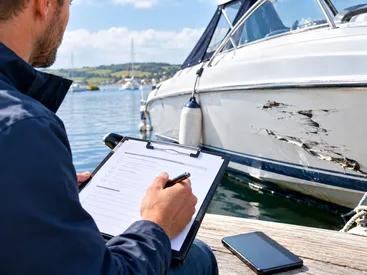
If you experience vessel damage, document the incident carefully and provide factual information. Do not guess about the cause or admit liability before receiving appropriate guidance.
Maintain the Boat and Safety Equipment
Regular maintenance is both a safety responsibility and an important part of responsible boat ownership. Inspect the hull, engine, fuel system, batteries, steering, bilge pumps, navigation lights, anchor equipment, and electrical connections.
Check for:
•Fuel leaks or damaged hoses.
•Corrosion around electrical connections.
•Water ingress.
•Cracks or structural damage.
•Worn belts and cables.
•Expired flares.
•Damaged lifejackets.
•Blocked bilge pumps.
•Loose batteries.
•Faulty navigation lights.
Keep records of servicing, inspections, surveys, repairs, and replacement equipment. These records can help demonstrate that the boat was maintained properly and support compliance with vessel safety regulations.
FAQs
What number should I call in an Irish boating emergency?
Dial 112 or 999 and ask for the Coast Guard. Give your location, the nature of the emergency, the number of people on board, and any immediate injuries or dangers.
Is wearing a lifejacket mandatory in Ireland?
Irish regulations contain mandatory requirements for the carriage and use of lifejackets and personal flotation devices on pleasure craft. The specific requirement depends on the vessel and circumstances, so owners should check the current legislation applicable to their craft.
Should I contact the Coast Guard or my insurer first after an accident?
Deal with immediate danger first. Contact the Coast Guard through 112 or 999 if there is an emergency or risk to life. Once the situation is under control, notify your insurer promptly and follow the policy’s claims procedure.
Can safety equipment affect a boat insurance claim?
It may. The insurer may examine whether legal requirements and policy conditions were followed, including requirements relating to lifejackets, maintenance, navigation areas, and vessel use. The outcome depends on the policy wording and the facts of the incident.
Final Thoughts
Irish Coast Guard rules are designed to help boat owners prepare for emergencies and operate safely on coastal and inland waters. The most important principles are simple: plan before leaving, wear suitable flotation equipment, carry reliable communication devices, check the weather, maintain the vessel, and know how to request help.
In an emergency, call 112 or 999 and ask for the Coast Guard. After the immediate danger has passed, report the incident to the appropriate authorities and notify your insurer if damage or loss has occurred.
Understanding these responsibilities can protect lives, reduce damage, and make it easier to demonstrate compliance if an accident occurs.
You may also like to Read