
Motor Cruiser Inland Waterways Insurance Explained
What Is Inland Waterways Insurance in Ireland?
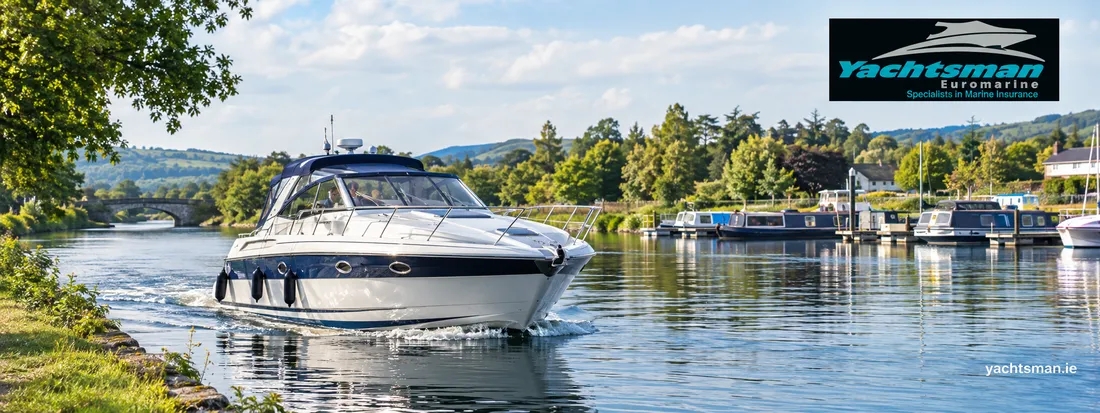
Inland waterways insurance in Ireland is designed for boats used on rivers, canals, lakes, and other permitted inland routes. A motor cruiser policy may protect the vessel itself, its equipment, and the owner’s liability to other people or property, depending on the selected cover and policy wording.
A motor cruiser used on inland waterways faces different risks from a boat operating offshore. It may encounter submerged objects, locks, bridges, shallow water, other vessels, marina hazards, flooding, theft, fire, and accidental damage while moored or under way. An inland boat policy should therefore reflect the vessel’s size, value, cruising area, use, equipment, and storage arrangements.
The exact protection available varies between insurers. Always read the policy schedule, wording, exclusions, warranties, limits, and excess before deciding whether the cover is suitable.
What Does Motor Cruiser Coverage Usually Include?
The following sections describe cover that may be available under a comprehensive motor cruiser policy. Some benefits may be included as standard, while others may be optional or subject to separate limits.
Accidental Damage to the Vessel
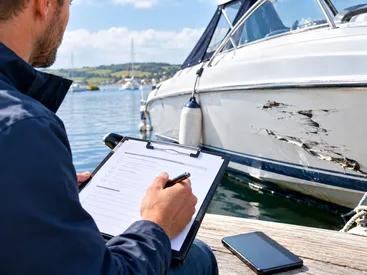
Comprehensive waterways boat insurance may cover accidental physical damage to the motor cruiser caused by events such as collision, grounding, impact with a submerged object, contact with a lock or harbour structure, or accidental damage while manoeuvring.
The policy may cover the hull, superstructure, machinery, fixtures, and permanently installed equipment, subject to the insured value and policy conditions. Damage caused by ordinary wear and tear, gradual deterioration, corrosion, poor maintenance, or an inherent defect may be excluded.
If an accident occurs, take photographs before moving or cleaning the vessel where it is safe to do so. Contact the insurer promptly and ask whether an inspection or written repair estimate is required before work begins.
Fire, Explosion, and Electrical Damage
A motor cruiser policy may include protection against fire or explosion. Some policies also cover damage linked to electrical faults, short circuits, or associated equipment, but the scope can differ significantly.
Owners should check whether the policy covers the engine, batteries, wiring, fuel system, navigation equipment, and permanently fitted electronics. Portable items may be covered under a separate contents section or may have individual limits.
Regular inspections and servicing are important. A policy may contain conditions relating to fuel systems, battery installation, charging equipment, heating appliances, or unattended vessel security.
Theft, Attempted Theft, and Vandalism
Inland waterways insurance in Ireland may cover theft of the motor cruiser, attempted theft, or vandalism, subject to security requirements. These requirements can include approved locks, secure moorings, marina arrangements, alarms, or other protective measures when the boat is unattended.
Some policies cover permanently installed equipment more readily than removable personal items. You may need to list high-value equipment separately, such as a tender, outboard, chart plotter, radar, television, fishing equipment, bicycles, or specialist tools.
Keep photographs, receipts, serial numbers, purchase documents, and an inventory of valuable items. If theft occurs, report it to the Gardaí and obtain a reference number before submitting the insurance claim.
Third-Party Liability
Liability cover is a key part of many inland boat policies. It may respond if the insured owner or operator becomes legally liable for injury to another person or damage to another vessel, marina property, a lock, bridge, bank, jetty, or other third-party property.
The liability limit is important. A low limit may not be suitable for a valuable motor cruiser operating in busy waterways or marinas. Check whether the policy includes passenger liability, liability while towing, and liability arising from tenders or water sports.
Liability cover does not mean that every incident will be paid automatically. The insurer may investigate whether the operator was acting within the policy terms and whether legal liability has been established.
Personal Belongings and Boat Equipment
Some comprehensive policies provide limited cover for personal belongings kept on board. This may include clothing, safety equipment, cooking items, tools, and other possessions used in connection with the boat.
Personal belongings may be subject to a total contents limit and individual item limits. Exclusions may apply to cash, mobile phones, jewellery, documents, food, alcohol, wear and tear, or items left unsecured.
Create an inventory and update it when equipment is added or removed. Store proof of ownership in a safe location away from the vessel and keep digital copies of important records.
Emergency Assistance, Towing, and Salvage
A policy may contribute toward reasonable emergency costs after an insured incident. These costs can include towing, salvage, temporary repairs, emergency storage, or moving the motor cruiser to a safer location.
Do not assume that every call-out is automatically covered. Some policies require the insurer’s approval before non-urgent assistance is arranged. In a genuine emergency, protect people and the vessel first, but keep detailed records and receipts.
Ask the insurer whether emergency assistance has a separate limit and whether salvage charges are handled under the hull cover, liability cover, or a specialist clause.
What May Be Excluded From an Inland Boat Policy?
Understanding exclusions is as important as understanding the benefits. Common exclusions or limitations may include:
•Normal wear and tear.
•Corrosion, osmosis, rot, or gradual deterioration.
•Mechanical breakdown without resulting accidental damage.
•Damage caused by poor maintenance or lack of reasonable care.
•Use outside the permitted cruising area.
•Racing, commercial use, or chartering without the correct extension.
•Unauthorised modifications or equipment.
•Theft where required security conditions were not followed.
•Damage caused while the vessel was operated by an unauthorised person.
•Consequential financial loss or loss of use unless specifically covered.
•Damage occurring while the vessel was being transported, lifted, or stored if that risk is excluded.
The wording can also distinguish between market value, agreed value, replacement value, and the cost of repairing or replacing a damaged component. Ask questions before buying cover if any of these distinctions are unclear.
How the Cruising Area Affects Cover
An inland policy generally applies only within the waterways, lakes, rivers, canals, and navigation areas stated in the policy. Some policies may allow limited coastal passages or transfer trips, while others may not.
Tell the insurer if you intend to move the motor cruiser between waterways, travel outside the normal cruising area, cross tidal waters, or undertake an extended journey. A temporary extension may be required before departure.
The Department of Transport’s Code of Practice for the Safe Operation of Recreational Craft covers motorboats and inland-waterway operations. It provides legal information and recommended best practice on planning, communication, weather, lifejackets, navigation, anchoring, and emergency procedures.
How to Choose Suitable Cover
Before purchasing inland waterways insurance in Ireland, prepare accurate information about the motor cruiser. An insurer may ask for:
•Make, model, age, and length.
•Current market or agreed value.
•Engine type, power, and condition.
•Cruising area and usual mooring location.
•Intended use and number of occupants.
•Ownership and finance details.
•Security arrangements.
•Previous claims or damage.
•Survey, maintenance, and valuation information.
•Equipment and contents to be insured.
Compare more than the premium. Review the excess, liability limit, navigation area, theft conditions, salvage provisions, repair arrangements, depreciation rules, and claims procedure.
What to Do After an Incident
If the motor cruiser is involved in an accident, put safety first and contact the emergency services if necessary. Take reasonable steps to prevent further damage without creating additional risk. Record the location, time, weather, damage, witnesses, third parties, and actions taken.
Notify the insurer as soon as possible. Do not authorise major repairs, dispose of damaged parts, or agree liability before checking the policy and receiving instructions. Keep photographs, invoices, towing receipts, repair estimates, survey reports, and official incident references.
A well-organised record can help the insurer assess the cause and extent of the loss. It can also help you understand whether the proposed settlement reflects the policy terms and the documented damage.
FAQs
Is inland waterways insurance legally required in Ireland?
The legal position depends on the vessel, activity, location, marina or waterways requirements, and applicable regulations. Even where a particular policy is not legally mandatory, a marina, lender, club, or waterways authority may require evidence of insurance. Check the conditions that apply to your specific boat and use.
Does inland waterways insurance cover engine failure?
A standard policy may not cover mechanical breakdown caused only by wear, age, or an internal defect. It may cover accidental damage caused by an insured event, subject to the policy wording. Ask whether machinery breakdown cover is included or available as an optional benefit.
Does motor cruiser coverage include the contents of the boat?
Some policies include limited contents cover, but personal belongings and equipment may have separate limits, exclusions, and security conditions. High-value items may need to be listed individually. Keep receipts, photographs, and an inventory to support a claim.
Can I use my motor cruiser outside inland waterways?
Only if the policy permits it or the insurer has provided an extension. Coastal waters, tidal passages, international travel, racing, and commercial use may require different cover. Contact the insurer before changing the vessel’s normal cruising area or purpose.
Final Thoughts
The right inland waterways insurance in Ireland should match the motor cruiser’s value, equipment, cruising area, use, storage, and liability risks. Comprehensive cover may include accidental damage, fire, theft, vandalism, third-party liability, personal belongings, and emergency assistance, but every policy has its own exclusions and limits.
Do not choose cover based only on price. Read the policy wording, confirm the navigation area, check the liability limit, understand security requirements, and ask how claims and repairs are handled. Keeping the vessel maintained and your documentation up to date will also make it easier to demonstrate the condition and value of the boat if an incident occurs.
You may also like to Read